 champignonmagique-quebec.com
How to Calculate the Right Psilocybin Microdose for Beginners
Most people overshoot their first microdose simply because they guess. A precise starting point, a reliable scale, and a consistent schedule will get you much further than intuition alone. Psilocybin content varies between mushroom species, individual flushes, and even between caps and stems, so measurement discipline matters from day one.
What a Microdose Actually Is
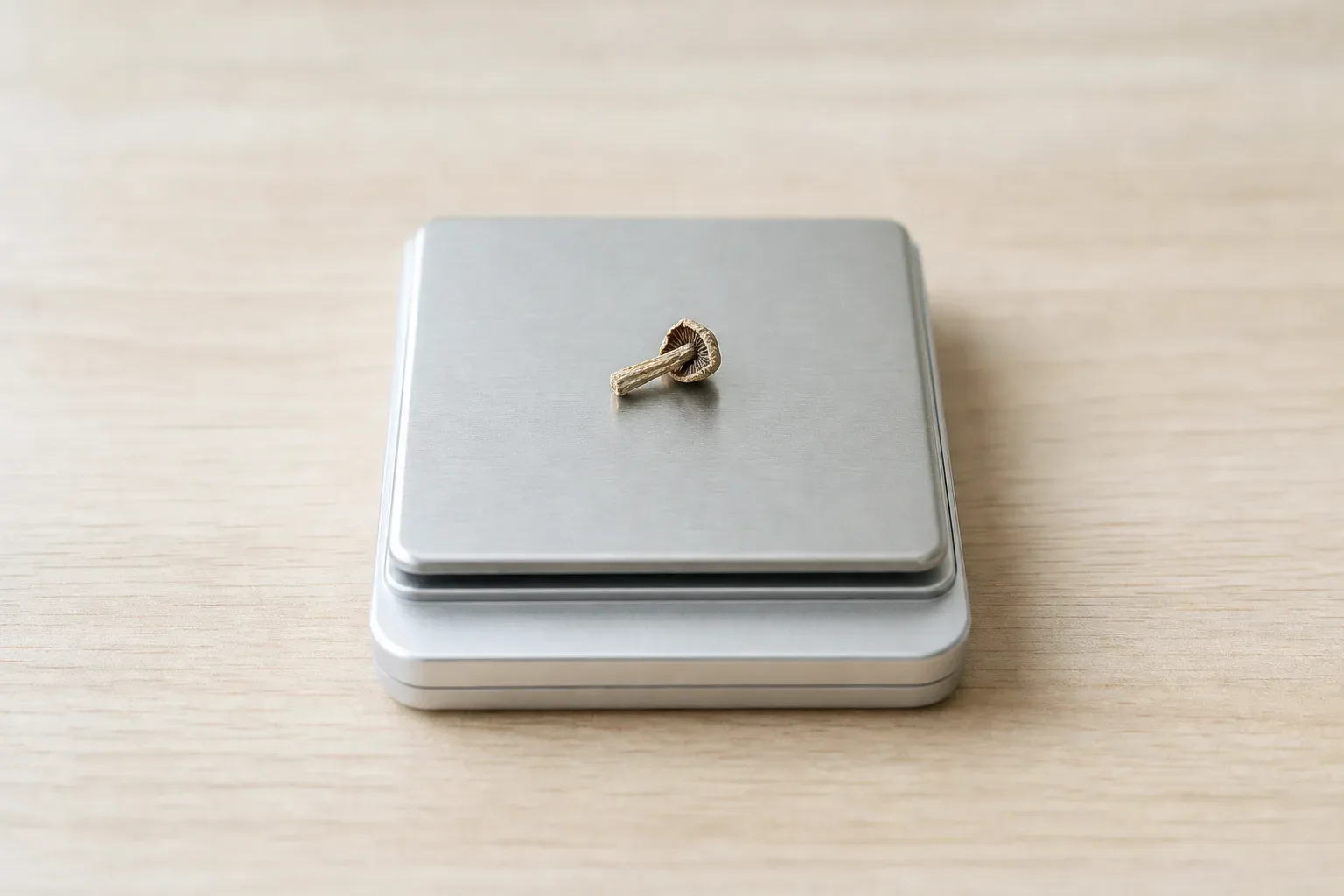
A microdose is a sub-perceptual dose, meaning you feel subtly sharper or calmer, but you do not experience visual changes, time distortion, or impaired function. The standard range most practitioners use is 0.05–0.3 grams of dried psilocybin mushrooms. At this level, most people can work, drive, and hold a normal conversation without anyone around them noticing a difference.
The goal is cognitive clarity or emotional steadiness, not a psychedelic experience. If you notice patterns shifting on a wall or feel disconnected from your body, the dose is too high for microdosing purposes.
Choosing the Right Scale
A kitchen scale accurate to 1 gram is not adequate here. You need a milligram-precision scale, typically labeled as a "jeweler's scale" or "0.001g scale," which costs between $15 and $40 online. Without one, you cannot reliably distinguish 0.1 grams from 0.3 grams, and that difference is significant.
Calibrate the scale each session using a small calibration weight, often included with the scale. Place it on a flat, vibration-free surface away from air conditioning vents. Even a slight draft can shift a reading by 20–30 milligrams.
How to Calculate Your Starting Dose
The most common starting recommendation is 0.1 grams of dried Psilocybe cubensis, the species most widely available and studied in informal settings. This figure assumes average potency cubensis, which typically contains 0.5–1% psilocybin by dry weight. Starting at 0.1 grams keeps you well below the perceptual threshold while still providing a measurable effect for most people.
A Simple Step-by-Step Approach
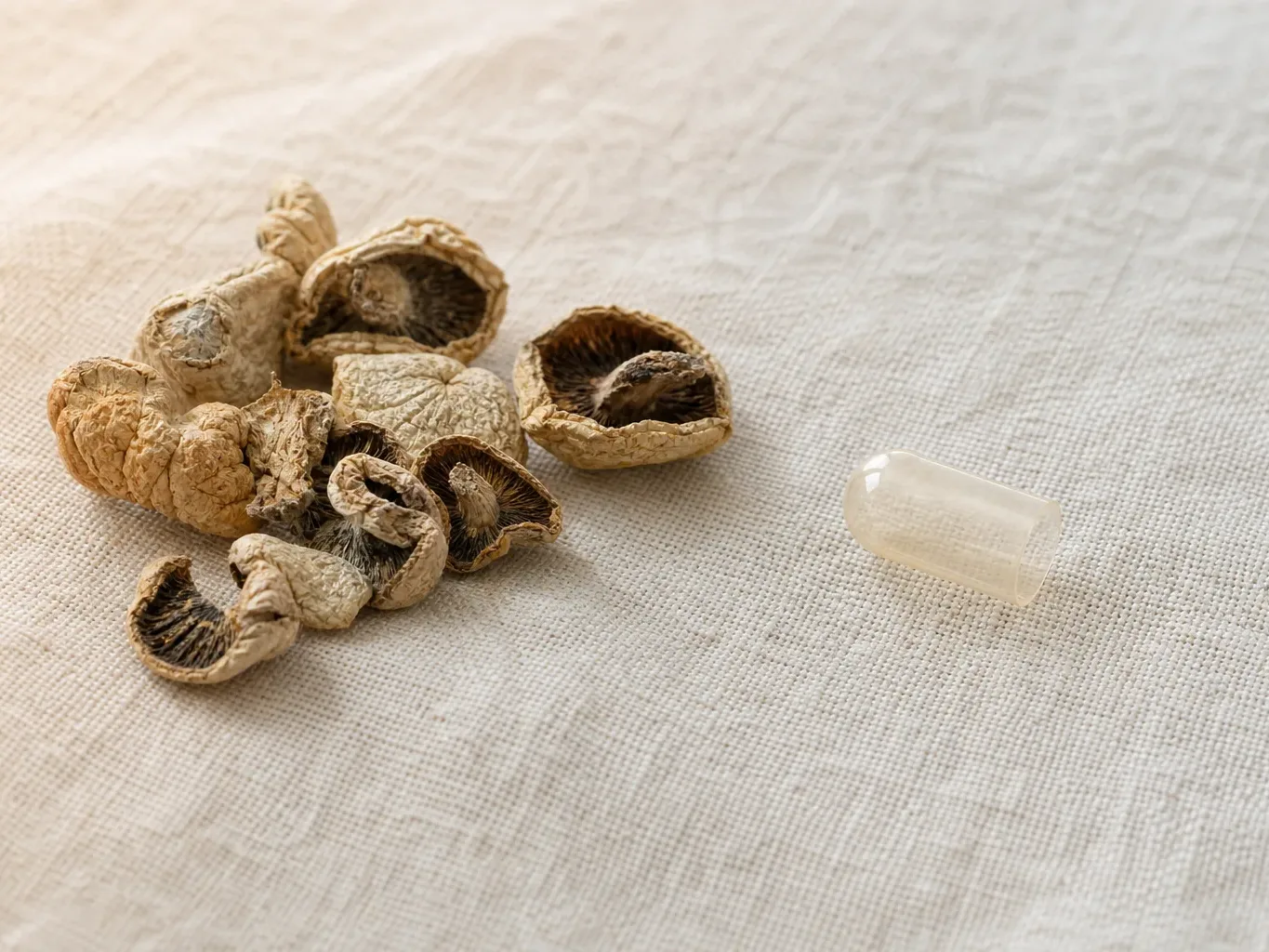
Grind your dried mushrooms into a fine, homogeneous powder first. Whole dried mushrooms have uneven psilocybin distribution between caps, stems, and even different parts of the same cap. Grinding and mixing thoroughly gives each measured portion the same approximate potency.
Then weigh your portion directly into a gel capsule or onto a small piece of food. Start at 0.1 grams for the first two sessions. If you notice no effect at all after two separate doses separated by several days, increase by 0.05 grams at a time. Stop increasing once you feel the subtle effects, then step back one increment to find your personal working dose.
Accounting for Mushroom Species and Potency
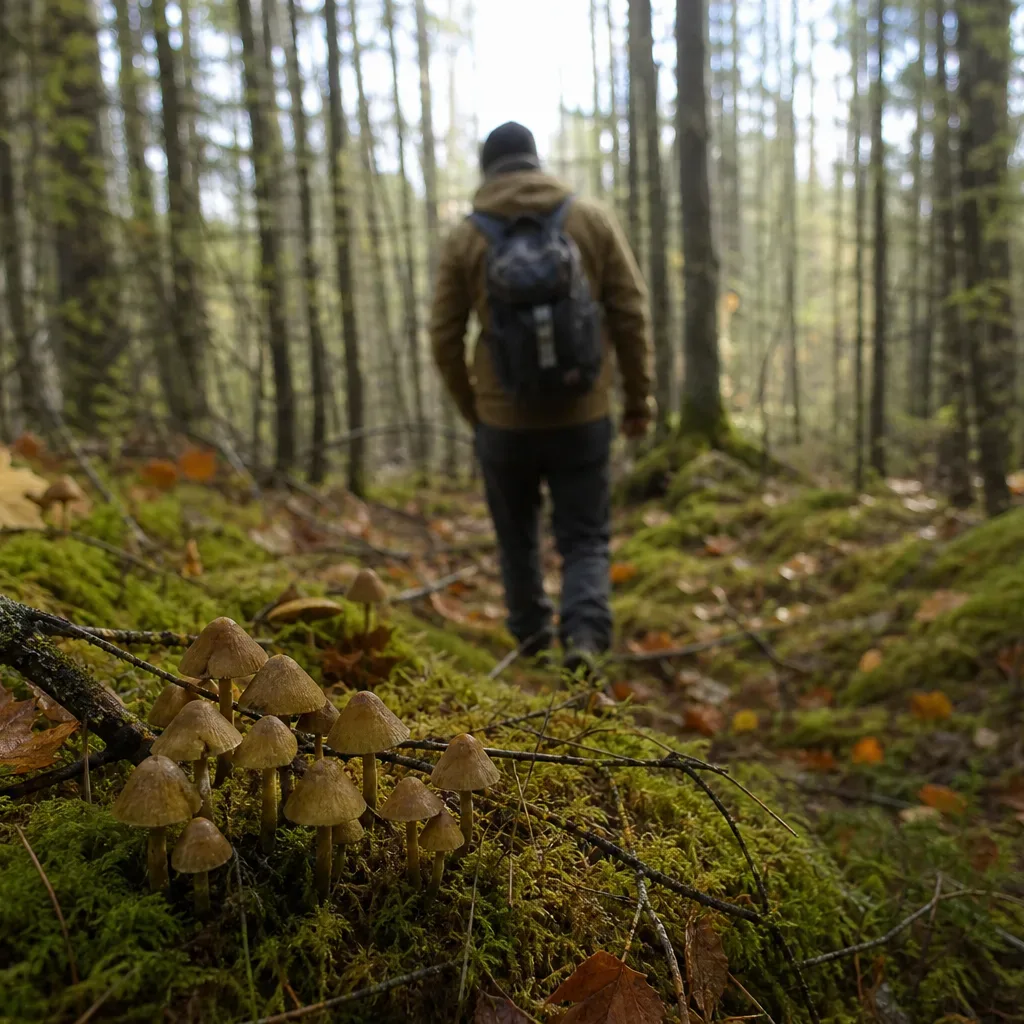
Not all species are equal. Psilocybe azurescens and Psilocybe cyanescens are significantly more potent than cubensis, sometimes two to three times so. If you are working with a high-potency species, start at 0.05 grams rather than 0.1 grams and titrate more slowly.
Storage conditions also affect potency. Mushrooms stored in humid or warm conditions degrade faster. Properly dried mushrooms stored in an airtight container with a silica desiccant in a cool, dark space retain most of their potency for 12–18 months.
Common Dosing Schedules
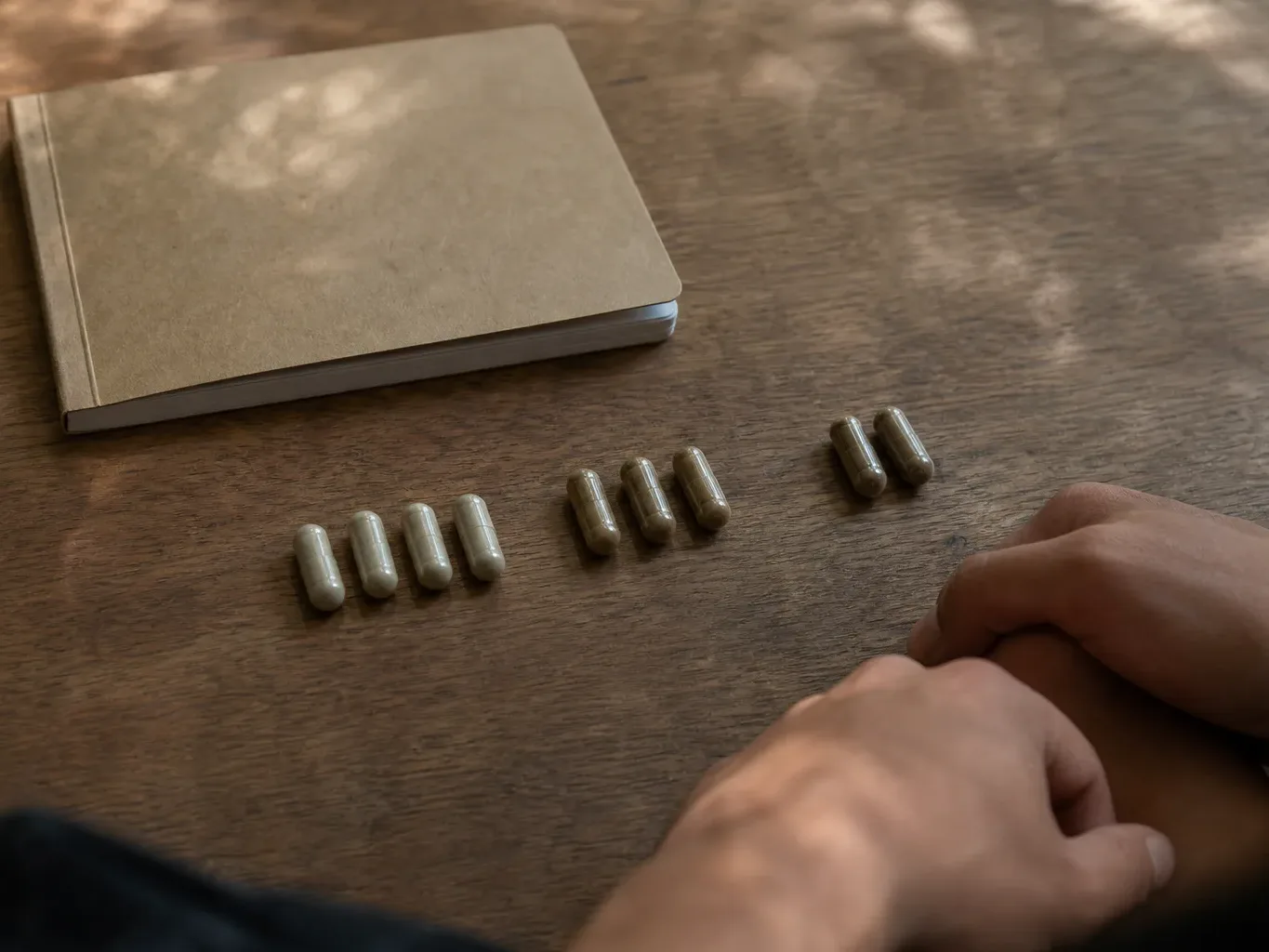
Three protocols dominate informal microdosing practice. The Fadiman Protocol, developed by researcher James Fadiman, calls for one dose every three days: dose on day one, rest on days two and three, then dose again. This spacing prevents tolerance buildup and gives you clear rest days to compare how you feel with and without the dose.
The Stamets Stack pairs a low psilocybin dose with lion's mane mushroom and niacin on a five-days-on, two-days-off schedule. The third common approach is simply two days on, two days off. Any of these work for a beginner, but the Fadiman Protocol is the easiest to track and evaluate at the start.
Tracking Your Results
Keep a brief written log for every dose day and every rest day. Record the dose in milligrams, the time you took it, your sleep quality the previous night, your mood rating on a 1–10 scale, your focus quality, and any notable sensations. After three weeks, patterns become visible that you would otherwise miss.
Focus quality tends to peak two to four hours after dosing on cubensis at the 0.1–0.15 gram range. If your log shows disrupted sleep on dose days, try taking the dose earlier in the morning, since psilocybin's mild stimulating quality can interfere with sleep onset when taken after midday.
What to Avoid as a Beginner
Avoid starting with a dose above 0.3 grams if your intent is microdosing. That range, 0.3–0.5 grams, is a "mini-dose" or "museum dose" territory where perceptual effects are likely. It is not dangerous for most healthy adults, but it is not what you are calibrating for.
Do not microdose daily. Daily dosing builds tolerance within a week and eventually produces diminishing returns or mild irritability on rest days. The every-third-day minimum exists specifically to prevent this.
Combining psilocybin with SSRIs or SNRIs significantly blunts or eliminates effects, since those medications act on the same serotonin receptors. If you take either medication class, speak with a physician before starting any psilocybin protocol. Lithium and tramadol carry more serious interaction risks and require medical guidance without exception.
Legal Status and Personal Safety
Psilocybin remains a Schedule I controlled substance under U.S. federal law as of November 2026, though Oregon and Colorado have created regulated adult-use frameworks, and several cities have decriminalized personal possession. Laws vary substantially by jurisdiction, and the legal picture continues to shift at the state and local level.
Buying from an unregulated source means you cannot verify species, potency, or contamination. When possible, lab-tested products from licensed Oregon or Colorado service centers provide far more reliable dosing information than self-prepared material from an unknown source. If you are using self-sourced material, the grinding and weighing process described above is your primary safeguard against inconsistency.
Frequently Asked Questions
Is .25 Grams of Psilocybin a Microdose?
0.25 grams of dried Psilocybe cubensis sits at the high end of the accepted microdose range, which runs from roughly 0.05 to 0.3 grams. At 0.25 grams, some people begin to notice very subtle perceptual shifts, particularly if they have low prior experience or are sensitive to psilocybin. It is technically within the microdose window, but beginners are better served starting at 0.1 grams and titrating up rather than starting near the ceiling of the range.
What Is Considered a Psilocybin Microdose?
A psilocybin microdose is generally defined as 0.05–0.3 grams of dried psilocybin mushrooms, specifically a sub-perceptual amount that produces no hallucinations or significant altered states. The intent is to stay well below the threshold where psychedelic effects appear, typically around 0.5–1 gram for most adults. Effects at a true microdose are subtle: slightly improved focus, a mild mood lift, or reduced anxiety, without impairing normal daily function.
What Amount Is Considered a Microdose?
For dried psilocybin mushrooms, 0.05–0.3 grams is the accepted microdose range. In terms of isolated psilocybin compound, clinical research often uses 1–3 milligrams as a comparable sub-threshold dose. The specific amount that works best varies by individual, mushroom species, and storage quality, which is why beginning at 0.1 grams and adjusting in 0.05-gram increments is the most reliable approach.
How Does Body Weight Affect Psilocybin Dosage?
Body weight has a weaker influence on psilocybin response than it does with many other substances, since the drug acts primarily on serotonin receptors whose density varies more by individual neurobiology than by body mass. That said, clinical protocols do sometimes use weight-based dosing of around 0.1–0.3 mg per kilogram of body weight for isolated psilocybin. For microdosing with dried mushrooms, most practitioners recommend starting at the same 0.1-gram baseline regardless of body weight, then adjusting based on personal response rather than a weight-based formula.
What Psilocybin Doses Are Used for PTSD and Depression?
Clinical trials for PTSD and depression use therapeutic, not micro, doses, typically 25 mg of synthetic psilocybin (equivalent to roughly 3–5 grams of dried mushrooms) administered in a controlled setting with trained therapists present. Studies from institutions like Johns Hopkins and Imperial College London have used single or two-session protocols at these higher doses, finding meaningful reductions in depression scores sustained for weeks or months. These are not doses appropriate for self-administration at home and are conducted under medical supervision specifically because they produce full psychedelic experiences.