 champignonmagique-quebec.com
Psilocybin Microdose Protocols - Fadiman vs. Stamets Explained

Two Protocols, Two Philosophies
Microdosing psilocybin means taking a sub-perceptual dose, typically 0.1–0.3 grams of dried psilocybin mushrooms, on a structured schedule. The goal is subtle cognitive and mood benefits without a full psychedelic experience. Two researchers have done more than anyone else to shape how people approach that schedule: James Fadiman and Paul Stamets. Their protocols differ in timing, dosing strategy, and the reasoning behind each choice.
Understanding those differences matters before you pick one. Choosing a schedule that fits your lifestyle increases the chance you'll stick with it and notice meaningful results.
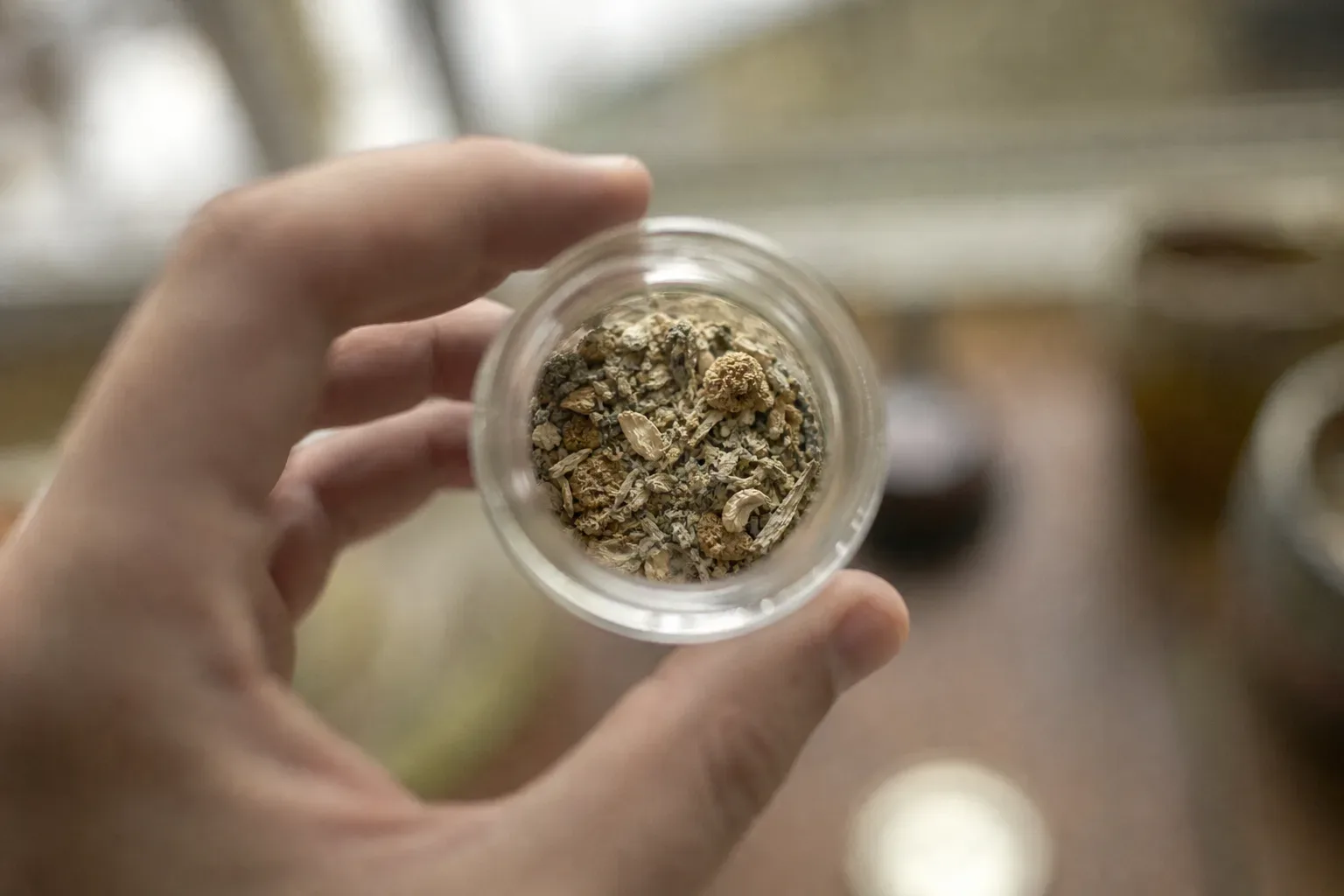
What Is the Fadiman Microdosing Protocol for Psilocybin?
The Fadiman protocol follows a simple three-day cycle: one day on, two days off, repeated for four to eight weeks. On day one, you take your microdose in the morning. Days two and three are rest days with no dose. On day four, the cycle repeats.
Fadiman developed this structure partly to prevent tolerance buildup. Psilocybin's primary receptor target, the 5-HT2A serotonin receptor, desensitizes with repeated stimulation. Two clear days between doses keeps sensitivity from fading over time.
Fadiman also recommends keeping a daily journal, even on rest days. Tracking mood, focus, creativity, and sleep creates a personal data set that helps you refine your dose and decide whether to continue. Typical dose ranges run 0.1–0.3 grams depending on body weight, mushroom potency, and individual sensitivity.
Key Features of the Fadiman Protocol
 Dose days: Every third day
- Cycle length: 4–8 weeks, followed by a 2–4 week break
- Dose range: 0.1–0.3 g dried mushrooms
 Rest days: 2 consecutive days between each dose
- Primary goal: Mood stability, creative output, focus
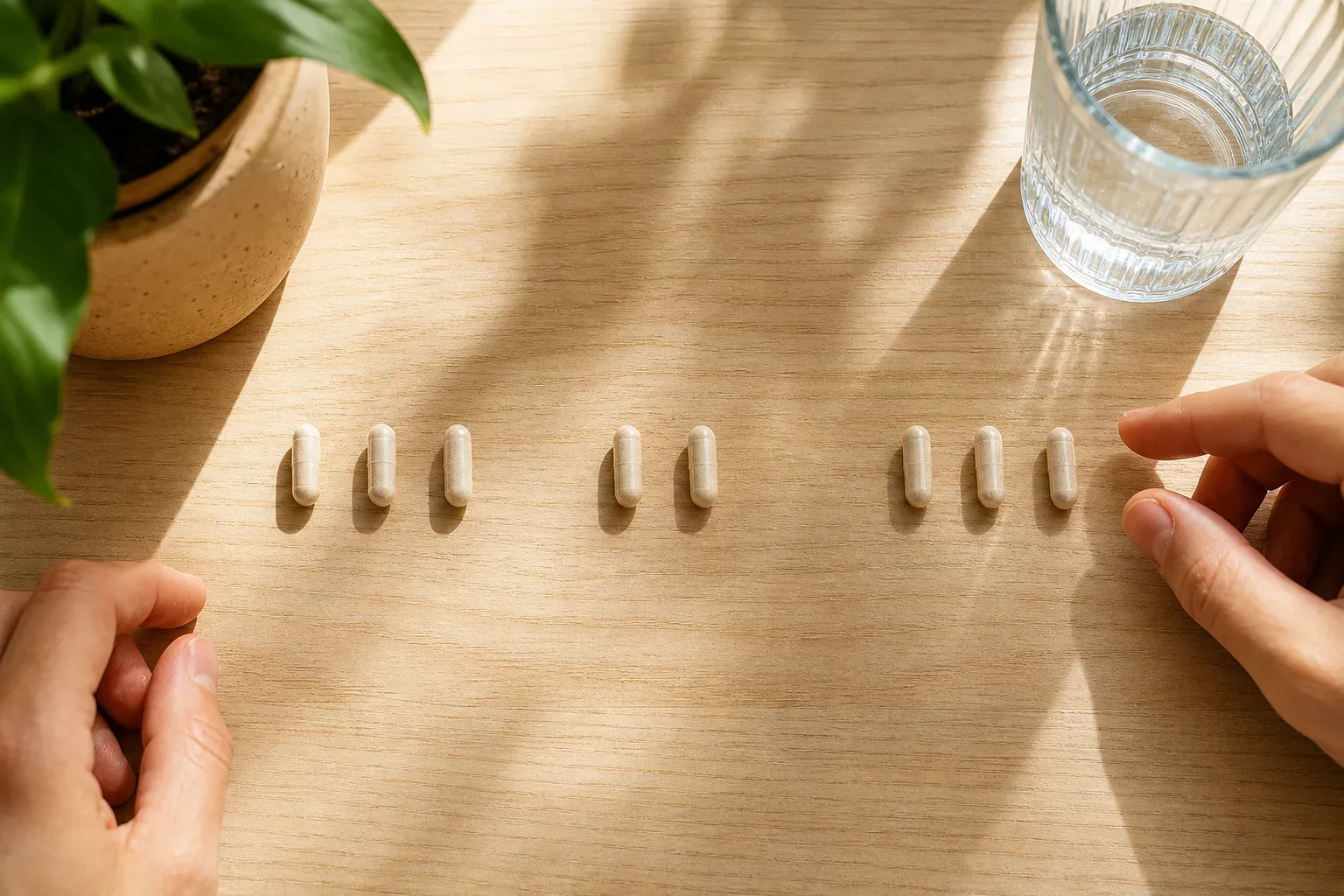
What Is the Stamets Microdosing Protocol?
The Stamets protocol uses a five-days-on, two-days-off schedule, and it pairs psilocybin with two specific supplements: lion's mane mushroom and niacin (vitamin B3). This combination is sometimes called the "Stamets Stack." Stamets hypothesizes that lion's mane supports neurogenesis and that niacin acts as a delivery agent, driving the other compounds into peripheral nerve tissue via niacin's flushing effect.
The five-on, two-off pattern means most people dose Monday through Friday and rest on weekends. That rhythm fits standard work schedules, which Stamets sees as a practical advantage. The dose of psilocybin within the stack typically stays low, 0.1–0.2 grams, partly because lion's mane may amplify the effects.
Niacin dosing in the stack ranges from 100–200 mg per session, ideally a flush-producing form rather than the no-flush (inositol hexanicotinate) variety. Lion's mane is taken as a full-spectrum extract, with doses commonly between 500–1000 mg. Stamets views this combination as targeting long-term neuroplasticity rather than just day-to-day performance.
Key Features of the Stamets Protocol
- Dose days: 5 consecutive days on, 2 days off
- Cycle length: Flexible, often ongoing with periodic breaks
 Psilocybin dose: 0.1–0.2 g dried mushrooms
 Add-ons: Lion's mane extract, niacin (flush form)
- Primary goal: Neuroplasticity, nerve repair, long-term cognitive support


How Do the Fadiman and Stamets Protocols Differ?
The core difference is frequency and stack design: Fadiman doses every third day with psilocybin alone, while Stamets doses five days per week with two synergistic supplements added. Those structural differences produce different practical experiences.
On a Fadiman schedule, rest days serve as integration periods. Many users report that their clearest mood improvements appear on day two, the first rest day, rather than the dose day itself. The extended off-period also makes it easier to monitor how the substance is actually affecting you, since the contrast between dose days and rest days is sharper.
The Stamets schedule's higher frequency carries a greater tolerance risk if the niacin and lion's mane component does not adequately offset receptor desensitization. It also requires sourcing two additional supplements consistently and budgeting for them. However, for people interested in potential neuroprotective effects, the stack offers something Fadiman's protocol simply doesn't address.
A practical comparison:
| Factor | Fadiman | Stamets Stack |
|---|---|---|
| Dose frequency | Every 3rd day | 5 days on, 2 off |
| Supplements added | None | Lion's mane, niacin |
| Tolerance risk | Low | Moderate (offset by co-factors) |
| Cost per month | Lower | Higher |
| Complexity | Simple | Moderate |
| Best suited for | Mood, focus, creativity | Neuroplasticity, long-term goals |
Which Psilocybin Microdosing Protocol Is Most Effective?
Neither protocol has a definitive clinical edge over the other, because large-scale randomized controlled trials comparing them directly do not yet exist. What does exist is a growing body of observational data, survey research, and smaller studies suggesting that both schedules produce measurable improvements in mood, focus, and subjective well-being in many users.
Fadiman's protocol has the longer track record. He collected self-reported data from over 1,500 participants across multiple years, documenting improvements in productivity, emotional regulation, and reduced symptoms of depression and anxiety in a significant portion of respondents. The structure is easy to maintain, and its simplicity reduces the chance of dosing errors.
Stamets' stack is newer as a formalized protocol and has fewer systematic studies behind it. Some neuroscience research supports lion's mane's role in nerve growth factor production, and niacin's peripheral vasodilatory effect is well-documented. Whether those mechanisms genuinely amplify psilocybin's neuroplastic effects in humans at microdose levels remains an open research question.
Personal goals should drive your choice. If you want a straightforward, well-tested starting point with minimal cost, Fadiman fits. If you're drawn to potential neuroprotective effects and are comfortable managing a three-compound stack, Stamets is worth exploring.
Starting Safely - Practical Considerations for Either Protocol
Both protocols assume you're in a stable baseline mental health state. People with a personal or family history of psychosis or schizophrenia should avoid psilocybin entirely, including at microdose levels. Combining psilocybin with lithium carries a known seizure risk; SSRIs and SNRIs may blunt effects through receptor competition, though this varies considerably by individual.
Start at the lower end of any dose range, 0.05–0.1 grams, for your first two or three cycles. Potency varies widely between mushroom strains and batches. Golden Teacher and B+ varieties tend to be milder than Penis Envy strains, which can run two to three times stronger per gram.
Set dose days on mornings before low-stakes commitments initially. Some users experience a temporary energy surge or mild anxiety for two to three hours after dosing, particularly in the first week. Taking your dose early avoids sleep disruption, which is a consistent finding across both protocols. Journaling for even five minutes daily builds the kind of longitudinal record that helps you separate genuine effects from placebo, expectation, or ordinary life variation.

Frequently Asked Questions
What Is the Fadiman Microdosing Protocol for Psilocybin?
The Fadiman protocol follows a one-day-on, two-days-off cycle repeated over four to eight weeks. You take 0.1–0.3 grams of dried psilocybin mushrooms on day one, rest on days two and three, then repeat. The two rest days help prevent tolerance buildup by allowing 5-HT2A receptors to resensitize between doses.
What Is the Stamets Microdosing Protocol?
The Stamets protocol, often called the Stamets Stack, pairs a low psilocybin dose (0.1–0.2 g) with lion's mane mushroom extract and flush-form niacin (100–200 mg), taken five days on and two days off. Paul Stamets theorizes that lion's mane supports neurogenesis and niacin drives the compounds into peripheral nerve tissue, targeting long-term neuroplasticity.
How Do the Fadiman and Stamets Protocols Differ?
Fadiman doses every third day using psilocybin alone, keeping things simple and low-cost. Stamets doses five days per week and adds lion's mane and niacin to the psilocybin. Fadiman's approach prioritizes mood and focus with clear integration days, while Stamets targets broader neuroprotective effects through the multi-compound stack.
Which Psilocybin Microdosing Protocol Is Most Effective?
No head-to-head clinical trial has declared one protocol superior to the other. Fadiman's protocol has more observational data behind it, with self-reports from over 1,500 participants showing improvements in mood and productivity. The Stamets Stack is newer with less systematic study, but lion's mane's role in nerve growth factor production is supported by existing neuroscience research.
What Dose of Psilocybin Should I Start with on Either Protocol?
Begin at 0.05–0.1 grams for your first two or three cycles regardless of which protocol you choose. Mushroom potency varies significantly by strain and batch, so starting low lets you gauge your individual response before adjusting upward. Milder strains like Golden Teacher are a better starting point than high-potency varieties like Penis Envy.