 champignonmagique-quebec.com
Common Non-Psilocybin Mushrooms in Quebec Forests - A Visual Guide
Quebec's forests stretch across three major biomes: the temperate deciduous zone in the south, the vast boreal belt running through the middle, and the subarctic transition near the 52nd parallel. Each zone produces a distinct set of fungal species, and knowing which mushrooms you're likely to encounter makes foraging safer and more rewarding. The species below are non-psilocybin, non-psychoactive, and among the most frequently spotted by both casual hikers and serious foragers.
What Is a Visual Guide to Quebec Forest Mushrooms?
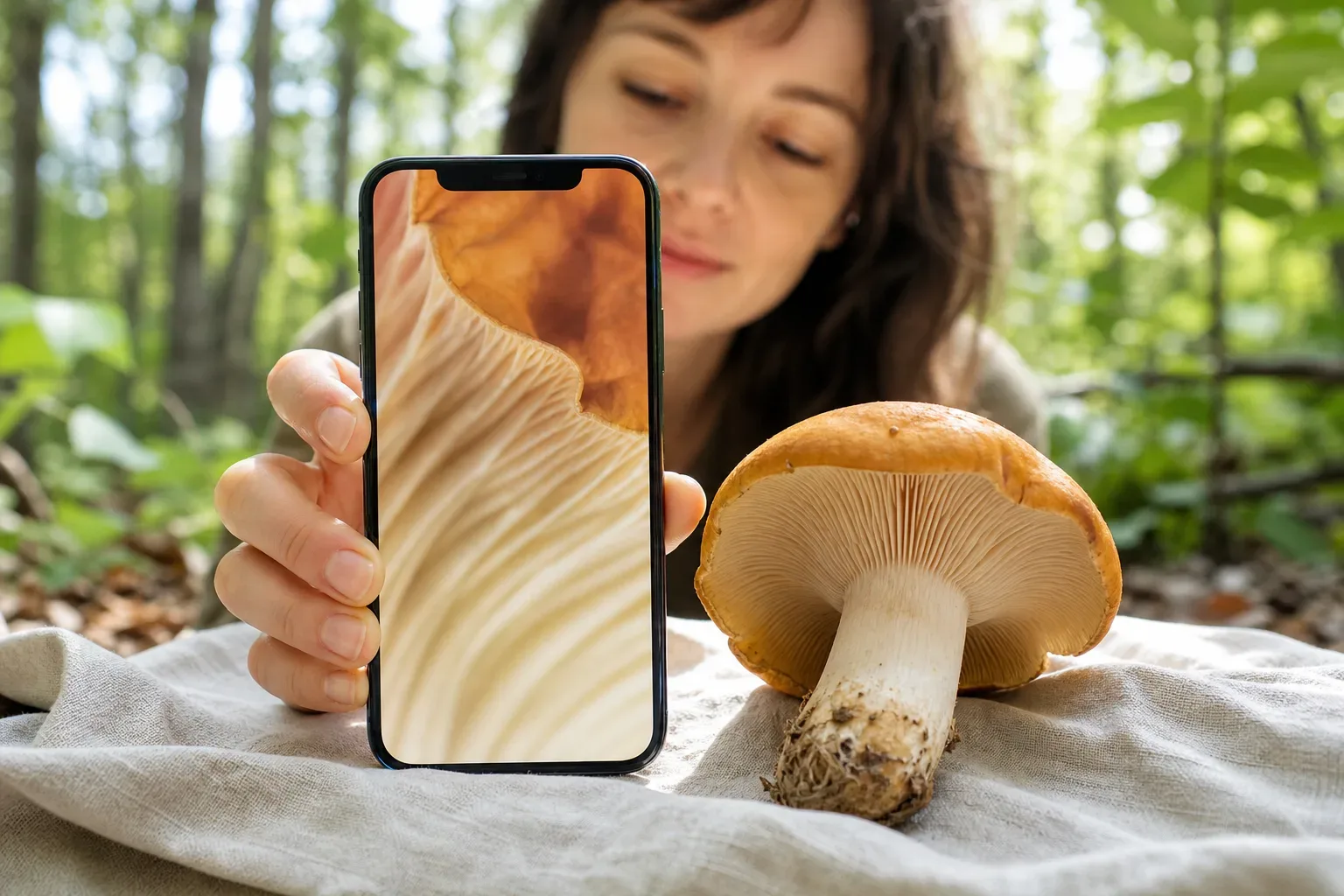
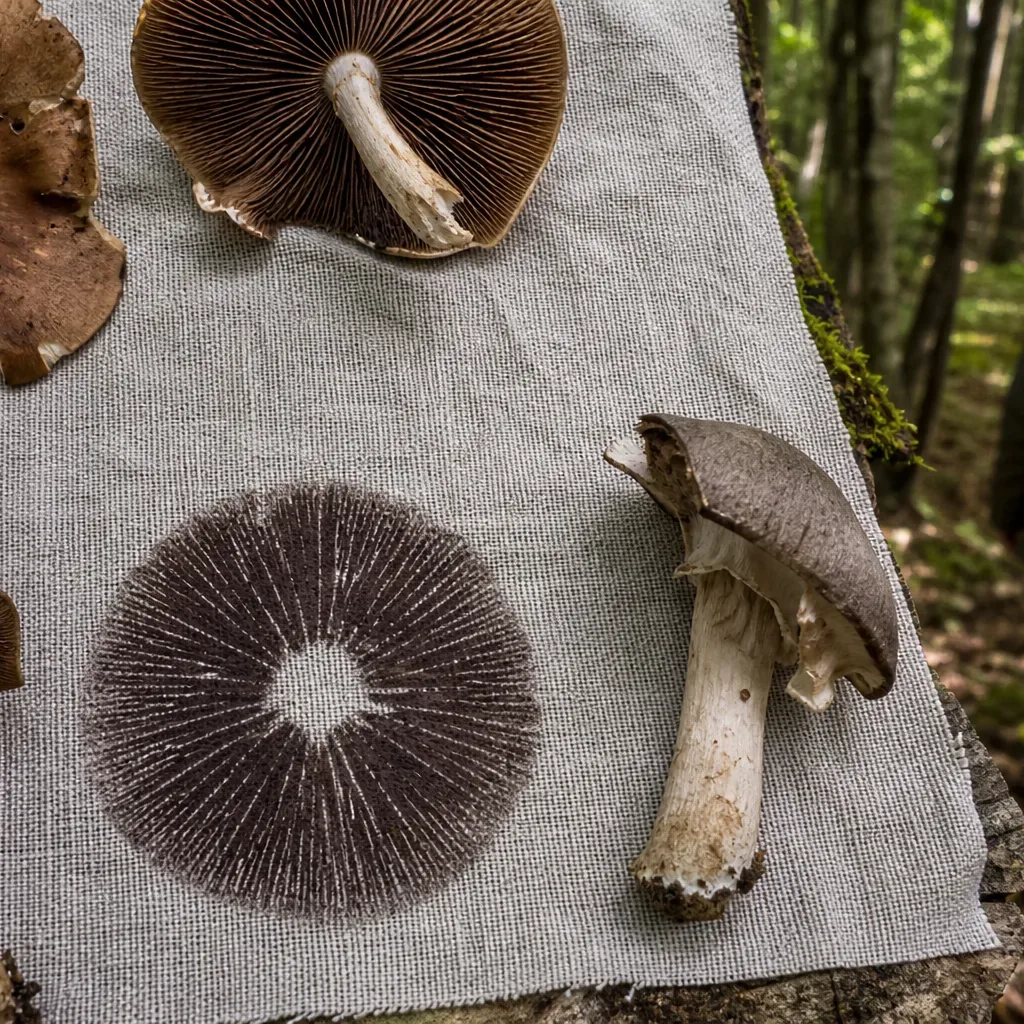
A visual guide pairs physical descriptions with habitat context so you can identify a mushroom by what you see, smell, and touch in the field. A printed or digital visual guide typically shows cap color, gill structure, stem shape, spore print color, and the type of tree or soil the mushroom grows near. Quebec's species are diverse enough that relying on a single feature, such as cap color alone, leads to errors. Cross-referencing at least three observable traits is a reliable minimum.
Photographs are essential because written descriptions of "rusty brown" or "cream white" vary between authors. Field guides specifically calibrated to Quebec, such as René Pomerleau's classic Flore des champignons au Québec, use regional specimens that reflect the colors and sizes actually seen here rather than European or Pacific Northwest counterparts.
What Common Mushrooms Grow in Quebec Forests?
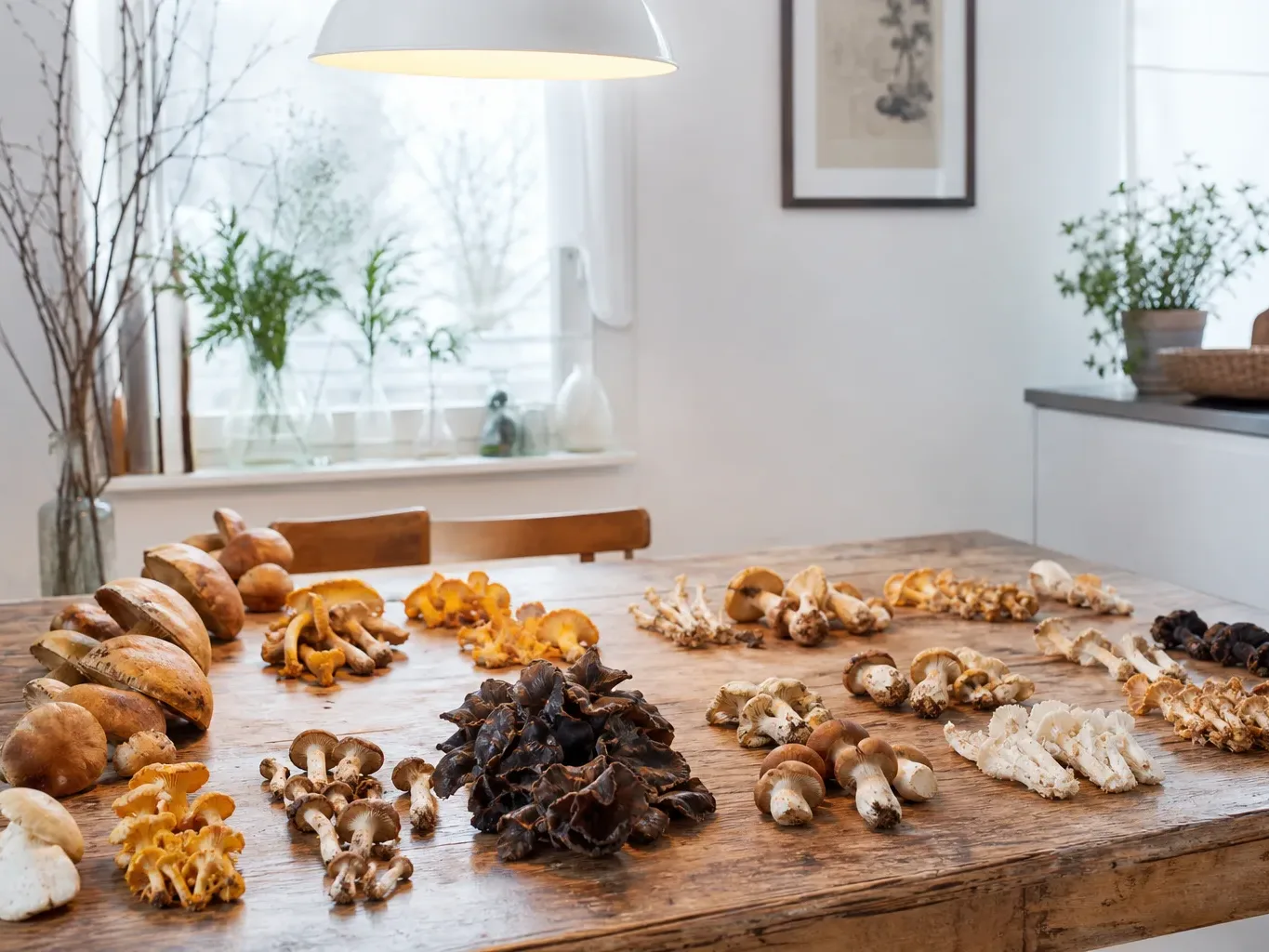
Quebec forests host dozens of frequently encountered edible and inedible species, with chanterelles, boletes, oyster mushrooms, puffballs, and Amanita species among the most visible from May through October. The foraging calendar opens with morels in May, peaks in late summer for chanterelles and king boletes, and winds down with oyster mushrooms persisting into the first frosts of October. Knowing the season narrows identification considerably.
The species below are organized by forest type to reflect where you will realistically find them.
Chanterelle - Cantharellus Cibarius
Chanterelles grow in mycorrhizal partnership with balsam fir, yellow birch, and sugar maple, making mixed forests south of the boreal transition ideal habitat. The cap is egg-yolk yellow to pale orange, wavy-edged, and 3–12 cm across. The most diagnostic feature is the false gills: forked, blunt-edged ridges that run partway down the stem rather than true blade-like gills that snap off cleanly. The flesh smells faintly of apricot.
The toxic look-alike jack-o'-lantern mushroom (Omphalotus olearius) is rarer in Quebec than in the northeastern United States, but it does appear on decaying hardwood roots. Jack-o'-lanterns have true, crowded, bioluminescent gills and grow in tight clusters. Chanterelles grow singly or in loose groups directly from soil.
King Bolete - Boletus Edulis
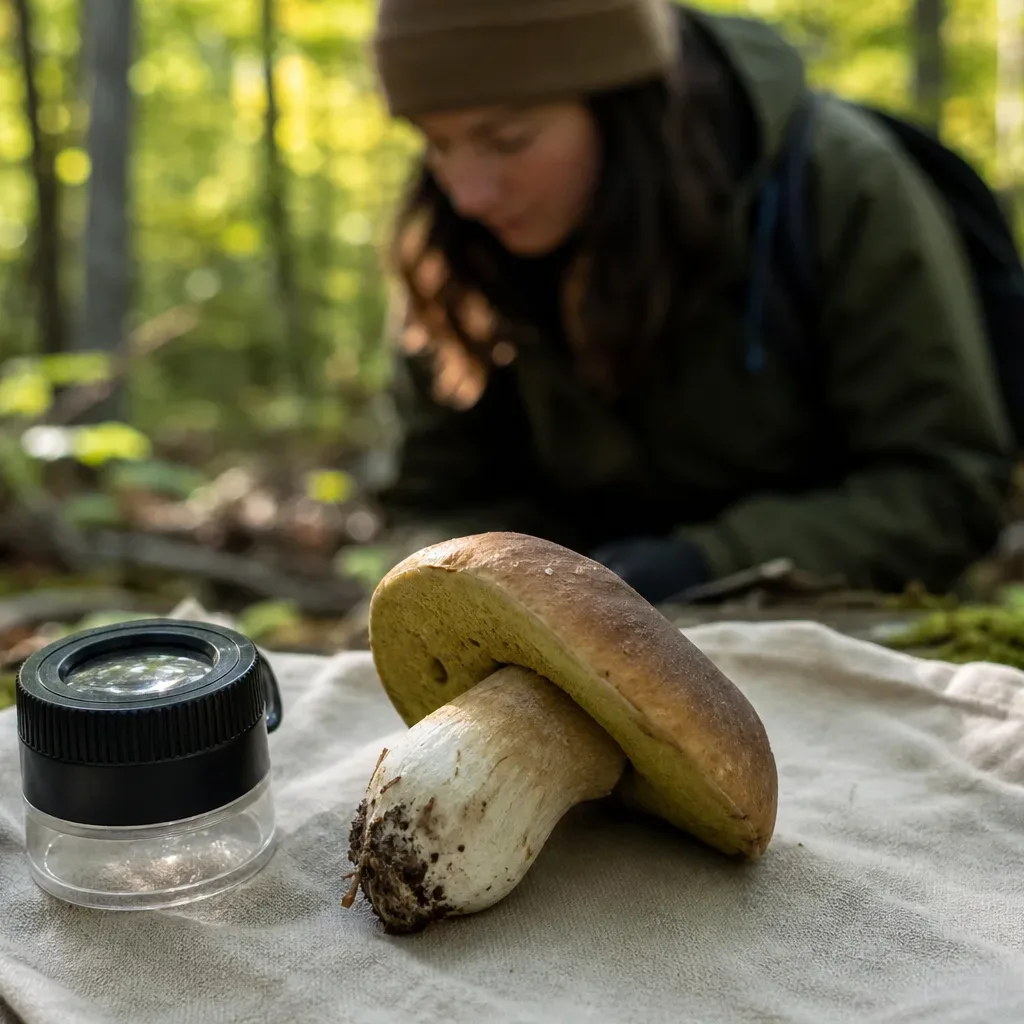
King boletes appear under spruce and pine from late July through September across the boreal and mixed zones. The cap is chestnut brown, 8–25 cm, and feels slightly tacky when damp. Instead of gills, the underside shows a white to olive-yellow sponge layer of tiny pores that bruise slightly when pressed. The stem is pale brown with a fine white network pattern near the top.
This species is prized for its dense, nutty flesh, which stays firm even after drying. Avoid boletes with red pore surfaces or flesh that turns blue immediately on cutting, as those color changes indicate toxic species in the bolete family.
Oyster Mushroom - Pleurotus Ostreatus
Oyster mushrooms fruit on dead or dying hardwood, particularly trembling aspen and sugar maple, from late September through early November. The caps are shelf-like, gray to pale brown, 5–20 cm wide, and grow in overlapping clusters at heights anywhere from ground level to 3 meters up a trunk. Gills are white, crowded, and run down a short off-center stem, or the stem may be absent entirely.
The white gill color and wood-growing habit together distinguish oysters from most other species. Angel wings (Pleurocybella porrigens) look similar but are smaller, pure white, and grow on conifer wood. Angel wings have been linked to fatalities in patients with kidney disease, so confirming the host tree species matters.
Giant Puffball - Calvatia Gigantea
Giant puffballs appear in open mixed forest edges, disturbed clearings, and old fields from August through September. Mature specimens range from 20–70 cm in diameter and are uniformly white inside. That interior whiteness is the key safety check: cut any puffball in half before eating, and eat it only if the entire interior is pure white with no internal structure visible. Any hint of a developing cap, gills, or yellow-green flesh inside indicates an Amanita egg, which is dangerous.
Smaller puffball species, including the gem-studded puffball (Lycoperdon perlatum), are equally edible by the same white-interior rule and appear on forest floors throughout the boreal zone.
Amanita Species - Identification and Caution
Amanita is the most consequential genus in Quebec forests because it contains both prized edibles and species responsible for the majority of fatal mushroom poisonings worldwide. The fly agaric (Amanita muscaria) is immediately recognizable: bright red or orange-red cap with white wart-like remnants, white gills, and a ring on the stem. It grows under birch and pine. Despite cultural folklore, it is toxic and not consumed for psychoactive purposes by responsible foragers.
The destroying angel (Amanita bisporigera) is entirely white and grows in deciduous and mixed Quebec forests. It contains amatoxins that cause delayed liver and kidney failure, with symptoms appearing 6–24 hours after ingestion. Any all-white mushroom with a cup-like volva at the stem base, a skirt-like ring, and free gills warrants strict avoidance. The edible Caesar's mushroom (Amanita caesarea) does not grow in Quebec, so there is no safe local parallel to build on for this genus without formal training.
Where in Quebec Are Mushroom Populations Densest?
The Laurentians, the Outaouais region, and the forests of the Eastern Townships produce the highest diversity of edible species due to their mix of hardwood and softwood trees and reliable summer moisture. The boreal zone north of Lac-Saint-Jean is chanterelle and bolete country, where monoculture spruce and balsam fir forests create consistent habitat. The Gaspésie offers its own distinct assemblage tied to old-growth conditions.
Urban foragers within reach of the Montérégie can find oyster mushrooms, giant puffballs, and hen-of-the-woods (Grifola frondosa) on mature oaks and maples at forest edges close to suburban areas.
When Is the Best Time to Forage Mushrooms in Quebec?
Late July through mid-September is the peak window, when warm days, cool nights, and regular rain trigger fruiting across nearly all species simultaneously. Morels are the exception, appearing in May under elm and ash trees following the first consistent warm spells above 10°C. A dry July delays the season; a wet June sometimes accelerates it.
Spore prints, photographs, and mushroom fragments can be brought to the Société mycologique de Montréal or the Club des mycologues amateurs de Québec, both of which run regular forays and identification sessions through the fall season. Using those resources alongside a visual guide significantly reduces misidentification risk.
Frequently Asked Questions
What Is a Visual Guide to Quebec Forest Mushrooms?
A visual guide pairs physical descriptions with habitat context so you can identify a mushroom by what you see, smell, and touch in the field. It typically covers cap color, gill structure, stem shape, spore print color, and the type of tree or soil the mushroom grows near. Field guides calibrated specifically to Quebec, such as René Pomerleau's Flore des champignons au Québec, reflect the colors and sizes of species actually found in the province.
What Common Mushrooms Grow in Quebec Forests?
Quebec forests commonly produce chanterelles, king boletes, oyster mushrooms, giant puffballs, and several Amanita species. The foraging calendar runs from May morels through October oyster mushrooms, with peak diversity from late July to mid-September. The specific species you encounter depends on whether you are in the temperate mixed forests of the south, the boreal belt, or the transition zone farther north.
How Do I Safely Identify Chanterelles in Quebec?
Look for the forked, blunt-edged false gills that run partway down the stem rather than true blade-like gills. The cap is egg-yolk yellow to pale orange with a wavy edge, and the flesh smells faintly of apricot. Chanterelles grow singly or in loose groups from soil, not in tight clusters on decaying wood like the toxic jack-o'-lantern mushroom.
Which Amanita Mushrooms Are Dangerous in Quebec Forests?
The destroying angel (Amanita bisporigera) is the most dangerous species in Quebec. It is entirely white, grows in deciduous and mixed forests, and contains amatoxins that cause liver and kidney failure with symptoms delayed 6–24 hours after eating. Any all-white mushroom with a cup-like volva at the stem base, a ring on the stem, and free gills should be avoided entirely.
What Resources Help with Mushroom Identification in Quebec?
The Société mycologique de Montréal and the Club des mycologues amateurs de Québec both run regular forays and identification sessions through the fall season. René Pomerleau's Flore des champignons au Québec remains a reliable regional reference calibrated to local specimens. Bringing a spore print, photographs from multiple angles, and a physical sample to these clubs greatly reduces misidentification risk.