 champignonmagique-quebec.com
Magic Mushroom Laws and Psilocybin Mushroom Legality Quebec

Where Quebec Fits Into Canadian Drug Law
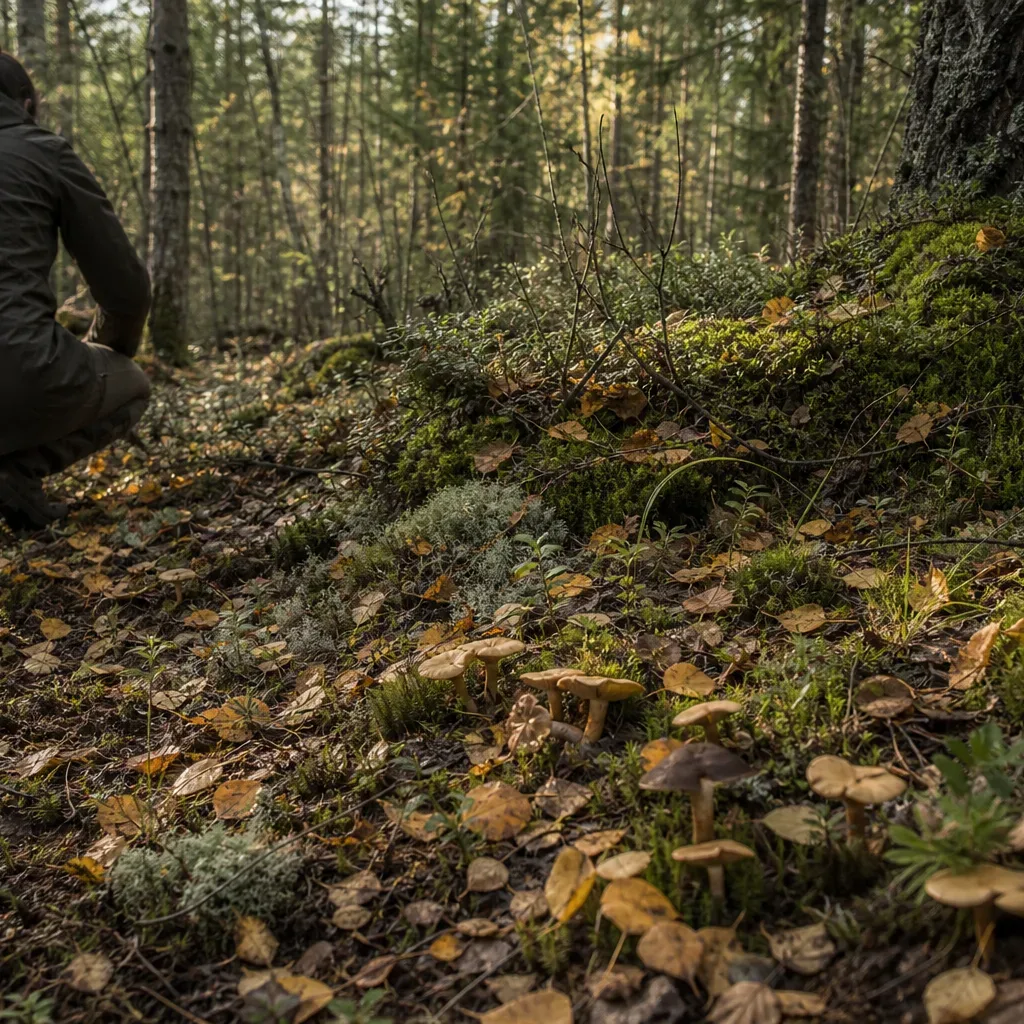
Psilocybin mushrooms are illegal under federal law in Canada, and that federal law applies uniformly in every province, including Quebec. Psilocybin and psilocin, the two primary psychoactive compounds in these mushrooms, are listed as Schedule III controlled substances under the Controlled Drugs and Substances Act (CDSA). That classification makes possession, production, sale, and distribution criminal offences across the entire country.
Quebec does not have a separate provincial drug scheduling system that could override or soften those federal rules. Unlike cannabis, which Parliament explicitly legalized and regulated under the Cannabis Act of 2018, no comparable legislation exists for psilocybin. The province follows the same legal framework as Alberta, Ontario, and every other Canadian jurisdiction.
What the CDSA Actually Prohibits
Schedule III status under the CDSA means possession for personal use is punishable by up to three years in prison on indictment, or a fine and up to six months in jail on summary conviction. Trafficking, production, and import or export carry heavier penalties, up to ten years on indictment. These are the maximums; actual sentences depend on quantity, criminal history, and judicial discretion.
Practical enforcement in Quebec, as elsewhere in Canada, tends to focus on trafficking rather than small personal-use amounts. That does not create a legal gray zone. It simply reflects prosecutorial priorities, and those priorities can shift without any change to the law.
Dispensaries and Online Retailers Selling Psilocybin
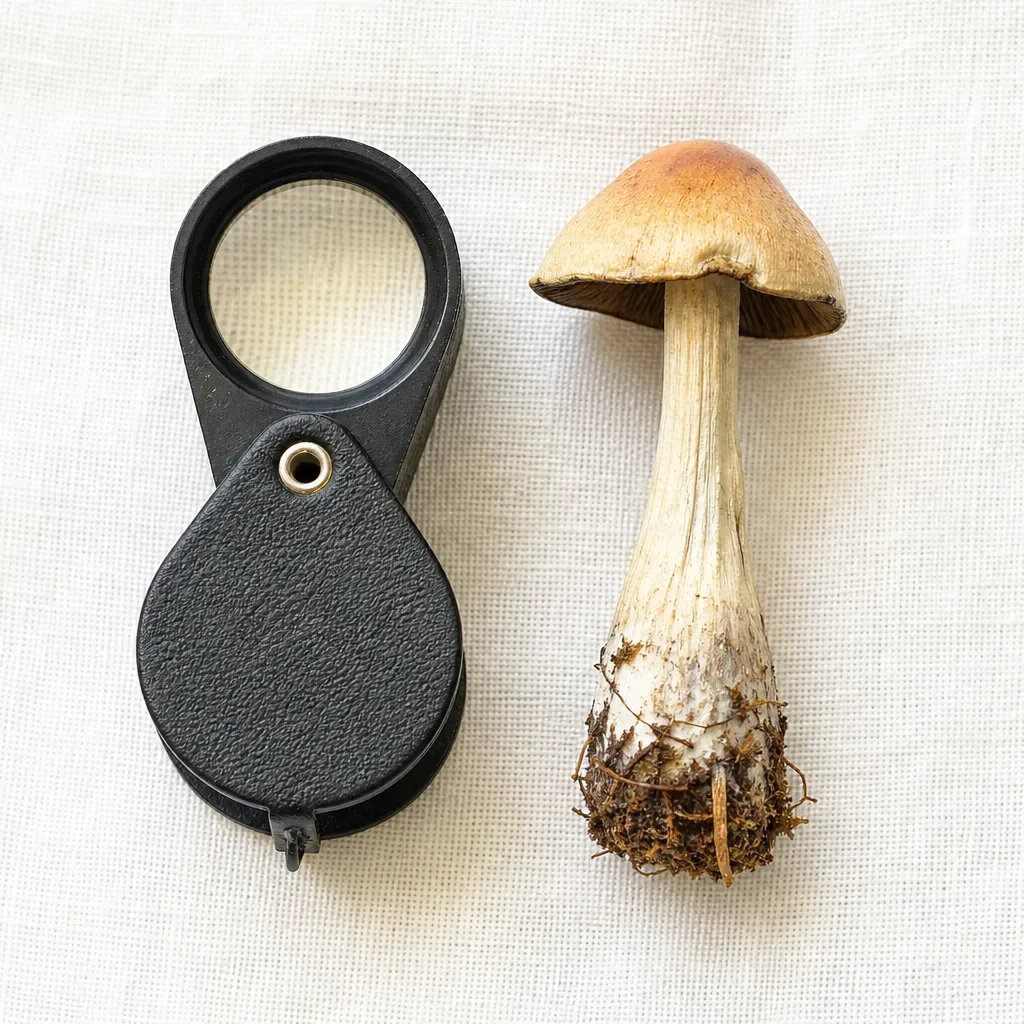
A wave of storefronts and online shops across Canadian cities, including Montreal, began openly selling psilocybin products around 2020–2021, borrowing the same civil-disobedience model that cannabis dispensaries used before legalization. Health Canada and local police shut many of them down, but new ones continue to open. Purchasing from these sources carries legal risk for the buyer, even when the shop itself appears to operate openly.
Spore kits are sold legally in Canada because spores contain no psilocybin. The moment spores germinate and mycelium begins producing the compound, cultivation becomes a criminal offence. That distinction is important for anyone who encounters legal-sounding marketing around mushroom growing supplies.

Exemptions - Who Can Access Psilocybin Legally
Health Canada can grant Section 56 exemptions under the CDSA, allowing specific individuals or organizations to possess or use controlled substances for medical or scientific purposes. A small number of palliative care patients and therapists received such exemptions beginning in 2020, primarily in British Columbia and Ontario. Quebec residents can apply, but exemptions are granted case by case and require documented medical justification.
Licensed researchers at universities and clinical trial sites can also work with psilocybin legally under a dealer's licence from Health Canada. Several Canadian institutions are running approved trials. These are tightly regulated environments, not accessible to the general public.
Psilocybin-Assisted Therapy in Quebec
Psilocybin-assisted therapy is not publicly available in Quebec outside of approved clinical trials. Therapists and psychiatrists cannot legally prescribe or administer psilocybin in a clinical setting without a Section 56 exemption or participation in a licensed research protocol. No Quebec hospital or clinic offers it as a standard treatment option as of late 2026.
Several Quebec-based researchers are involved in clinical trials examining psilocybin for treatment-resistant depression and end-of-life anxiety. If you are interested in participating, the Government of Canada's clinical trials database and ClinicalTrials.gov both list active studies accepting Canadian participants. Eligibility criteria are strict and typically exclude people with personal or family histories of psychosis.
How This Compares to Other Jurisdictions
Oregon became the first U.S. state to regulate psilocybin service centers under Measure 109, with licensed facilities beginning operations in 2023. Colorado followed with Proposition 122. Neither model applies in Canada, and Quebec residents cannot legally travel to those states specifically to access psilocybin services without risk of complications on return, though personal drug use by Canadians abroad generally falls outside Canadian prosecution.
The Netherlands permits the sale of psilocybin truffles in licensed smart shops, a distinction based on a quirk in Dutch law that never scheduled truffles. Some Quebecers travel there for retreat experiences. This is a legal activity within the Netherlands but does not change the status of any substances brought back to Canada.
Potential Changes on the Horizon
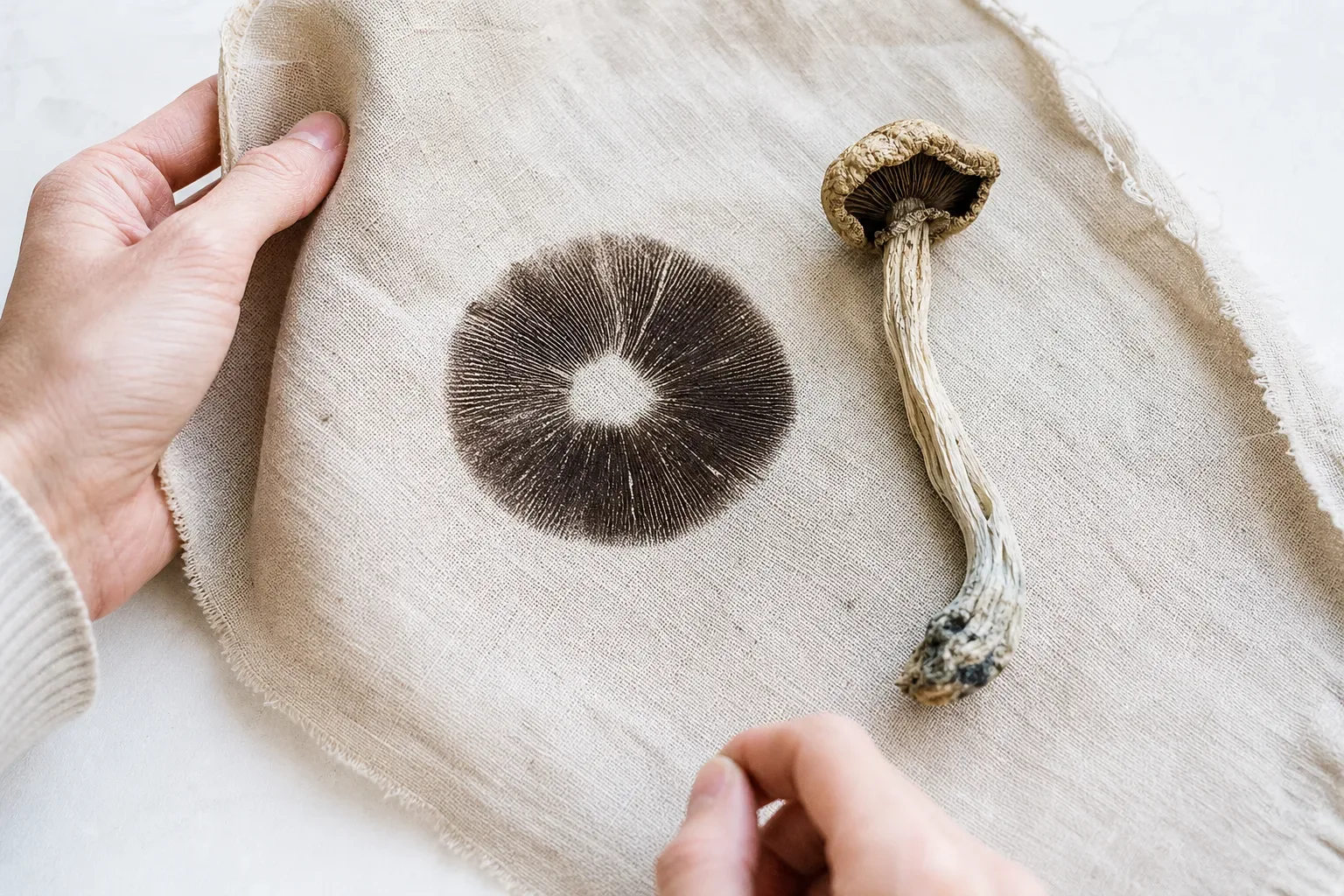
Health Canada has signaled increasing openness to psychedelic-assisted therapy through its Special Access Program, which was expanded in 2022 to allow authorized healthcare practitioners to request psilocybin for individual patients with serious conditions. Access remains rare and administratively burdensome, but the pathway exists. A handful of Canadian patients have received psilocybin through this program.
Federal decriminalization of personal drug possession was briefly piloted in British Columbia between January 2023 and May 2024 before the province reversed course and re-criminalized public possession. No comparable pilot has been implemented in Quebec. Any broader federal policy shift affecting psilocybin specifically would require an amendment to the CDSA, which the current federal government has not proposed.
Practical Considerations If You Are Curious About Psilocybin
For people exploring psilocybin for therapeutic or personal reasons, the clearest legal avenue right now is participation in a clinical trial. Researchers need volunteers, and trials are the only setting where Canadians can access psilocybin with full legal protection and medical supervision. The Health Canada website lists contact points for Special Access inquiries if you have a qualifying serious condition and a willing prescriber.
Ignoring the legal risks because enforcement seems lax is a genuinely consequential decision. A criminal record under the CDSA affects employment, travel to the United States, and professional licensing. The gap between what the law says and how often it is enforced can close quickly, particularly for anyone caught with quantities that suggest distribution. Staying informed about policy updates through Health Canada and organizations like the Canadian Psychedelic Association gives you the clearest picture of how this evolving area is developing.
Frequently Asked Questions
What Are the Legal Restrictions on Psilocybin in Quebec?
Psilocybin and psilocin are Schedule III controlled substances under Canada's Controlled Drugs and Substances Act, making possession, production, sale, and distribution illegal across all provinces, including Quebec. Personal possession can result in up to three years in prison on indictment. Trafficking and production carry penalties up to ten years. Quebec has no separate provincial law that creates exceptions to these federal rules.
What Are the Long-term Side Effects of Psilocybin Mushrooms?
Research on long-term effects is still developing, but documented risks include Hallucinogen Persisting Perception Disorder (HPPD), where visual disturbances persist weeks or months after use, and the potential for triggering or worsening psychotic episodes in people predisposed to conditions like schizophrenia. Some users report lasting changes in mood and perception that may be positive or distressing. Regular heavy use appears less common than with other substances, but psychological dependency is possible. Clinical contexts use careful screening to minimize these risks.
How Do Psilocybin Mushrooms Affect the Brain?
Psilocybin is converted in the body to psilocin, which binds primarily to serotonin receptors, especially the 5-HT2A receptor. This disrupts the brain's default mode network, a system linked to self-referential thinking and the sense of a fixed identity. Brain imaging studies show increased connectivity between regions that do not normally communicate, which researchers associate with the perceptual and emotional effects users experience. Effects typically begin 20–60 minutes after ingestion and last 4–6 hours depending on dose and individual metabolism.
Is Psilocybin Therapy Available in Quebec?
Psilocybin-assisted therapy is not available as a standard clinical service in Quebec. Therapists and physicians cannot legally prescribe or administer psilocybin without a Section 56 exemption from Health Canada or participation in a licensed research trial. Some Quebec researchers are running approved clinical studies for conditions like treatment-resistant depression. Patients with serious conditions can also ask a healthcare provider to apply through Health Canada's Special Access Program, though approvals are rare and case-specific.
Is Psilocybin Legal in Canada?
No. Psilocybin is a Schedule III controlled substance under the federal Controlled Drugs and Substances Act and is illegal to possess, produce, sell, or distribute across all of Canada. Limited legal access exists through Health Canada's Section 56 exemptions, the Special Access Program, and licensed clinical research trials. No province has decriminalized psilocybin, and unlike cannabis, no federal legislation has been introduced to change its status.