 champignonmagique-quebec.com
Magic Mushroom Microdose Capsules - Canadian Brands Reviewed
Psilocybin microdose capsules Canada brands have multiplied fast over the past few years, moving from underground forums into polished online storefronts with lab testing pages and customer loyalty programs. Most products contain 50–300 mg of dried Psilocybe cubensis per capsule, often blended with adaptogens like lion's mane mushroom or niacin. The goal is a sub-perceptual dose: enough to notice a mild lift in focus or mood without any visual distortion or impaired function. Knowing which brands source responsibly, test consistently, and ship discreetly matters a great deal before you spend money.

The Legal Context in Canada
Psilocybin remains a Schedule III controlled substance under the Controlled Drugs and Substances Act. Health Canada has granted Section 56 exemptions to a small number of patients and therapists for medical use, but no general legal retail market exists yet. Canadian brands selling these products operate in a gray or underground market, which means no federal regulatory body is auditing their label claims. That reality makes third-party lab testing and transparent sourcing the two most important factors to evaluate when comparing brands.
What Psilocybin Microdose Capsule Brands Are Available in Canada?
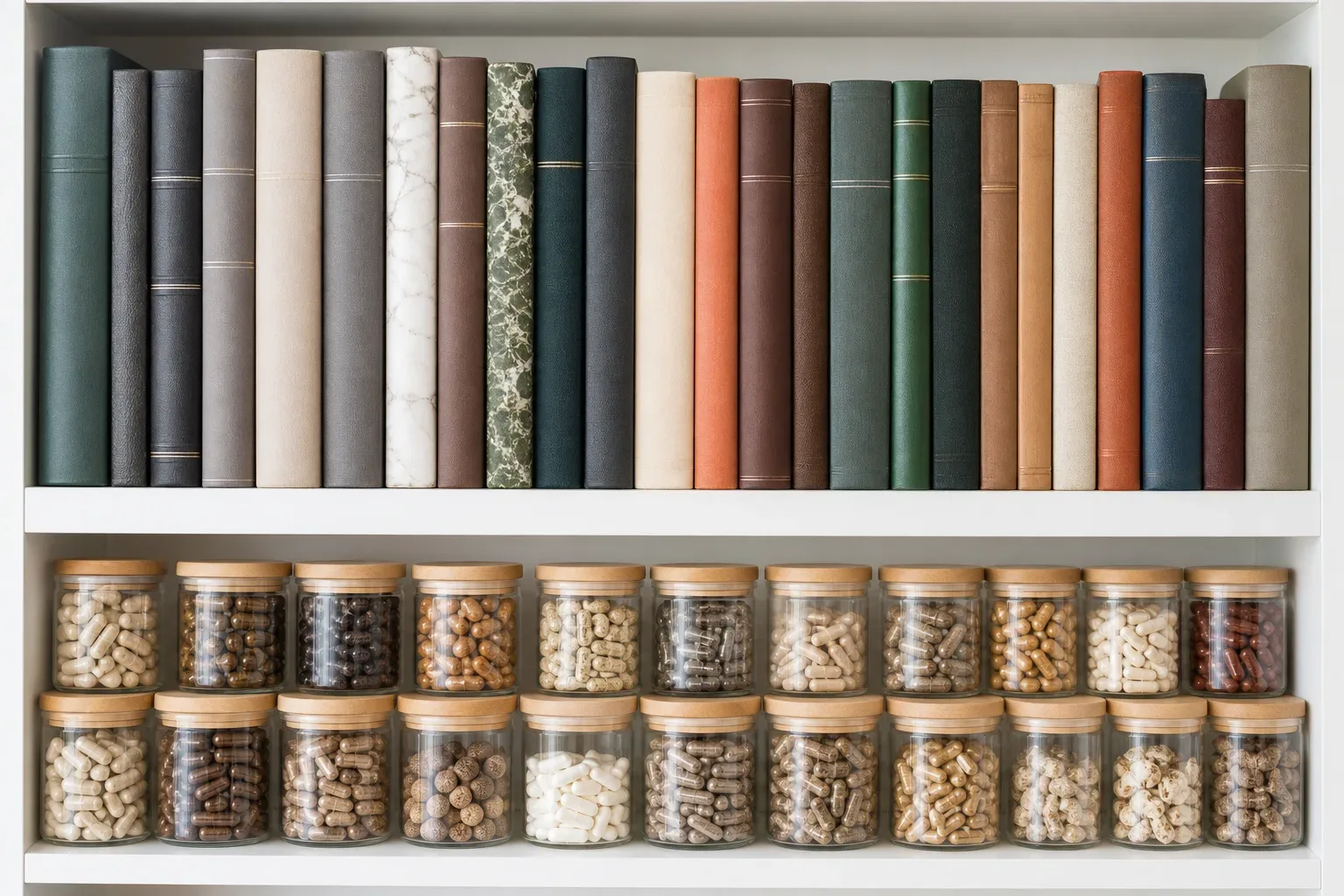
Several Canadian brands have built recognizable reputations in the domestic market, including Spore Wellness, Bright Future, Schedule35, Luminous Fungi, and Zoomies Canada. Each takes a slightly different approach to formulation, dose range, and blending. Some focus on pure single-ingredient capsules; others layer in complementary botanicals aimed at specific outcomes like sleep, creativity, or cognitive clarity.
Spore Wellness
Spore Wellness is one of the most cited names in Canadian microdosing communities. Their Cognitive blend pairs 100 mg psilocybin with lion's mane and niacin, following a protocol popularized by mycologist Paul Stamets. The Energy formula substitutes ginseng for some of the niacin. Capsule counts typically run at 25 or 50 per package, and the brand publishes batch-level testing from a third-party lab.
Bright Future
Bright Future positions itself toward beginners with clearly labeled starter doses starting at 50 mg and stepping up to 150 mg in their standard range. Their Pure capsules contain only dried Psilocybe cubensis with no fillers, which makes them easy to stack or split if you want finer control. Customer reviews consistently mention reliable, uniform effects from batch to batch, suggesting good quality control at the production stage.
Schedule35
Schedule35 leans into the wellness angle more explicitly, naming blends after outcomes like Focus, Calm, and Balance. Doses sit between 100–200 mg per capsule and each formula includes at least one adaptogen. Their Calm blend adds ashwagandha root alongside psilocybin, which is an unusual combination not seen in most competing products. Pricing is mid-range at roughly $40–$65 CAD for a 25-capsule pack.
Luminous Fungi
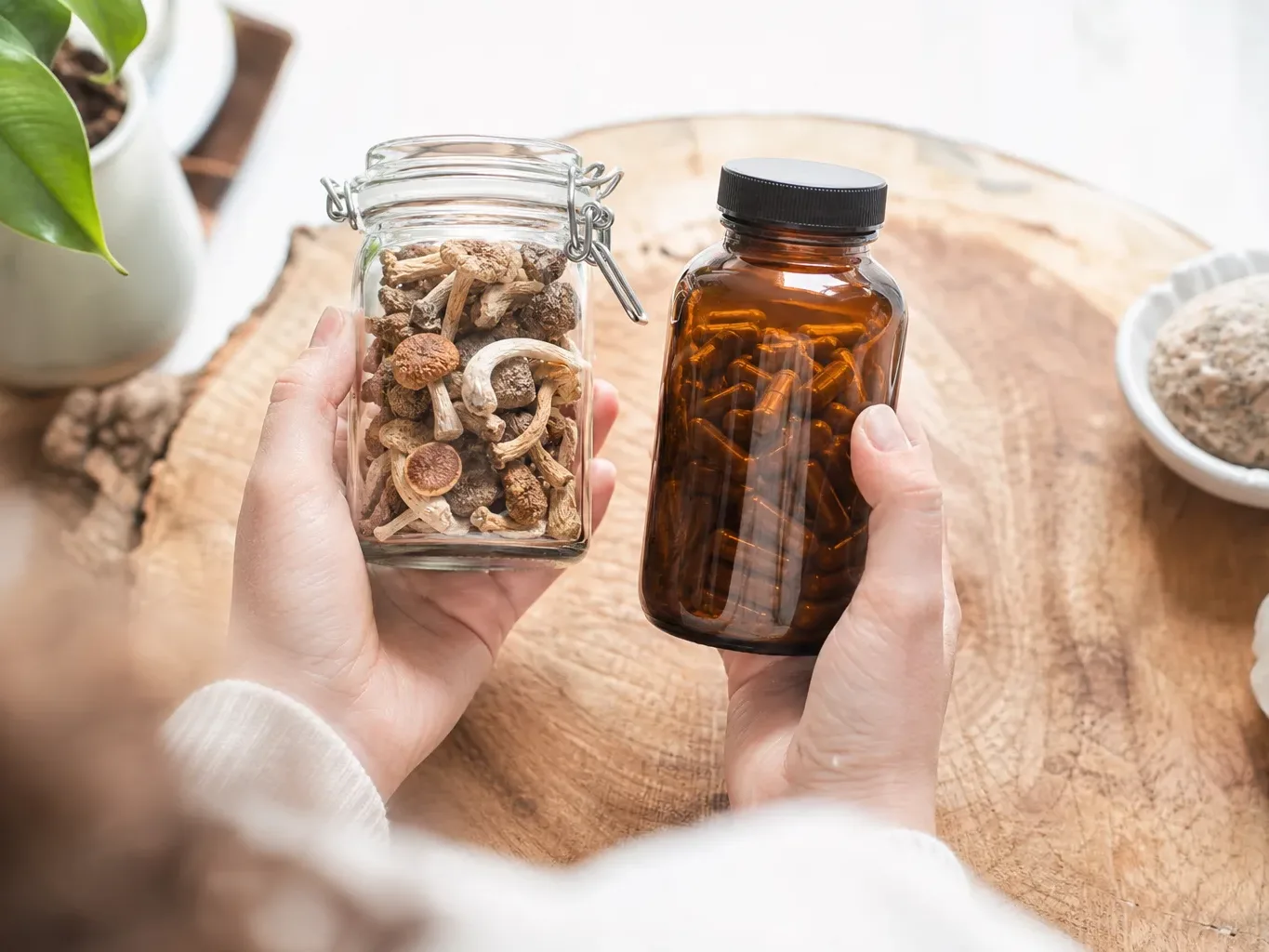
Luminous Fungi appeals to consumers who want a minimalist approach. Single-ingredient capsules at 100 mg, 150 mg, and 250 mg are the core offering, sold in amber glass bottles rather than plastic, which is a practical detail that reduces light degradation over time. The brand's website is sparse on marketing language but detailed on cultivation method, noting substrate composition and harvest timing, which suggests producer-level pride in the material.
Zoomies Canada
Zoomies Canada functions more as a broad marketplace than a single brand, carrying house-label capsules alongside several third-party producers. That variety is an asset for comparison shopping but can make consistency harder to track. Their house-label microdose capsules come in 100 mg and 200 mg options at competitive prices, often 10–15% below comparable single-brand products. For first-time buyers still experimenting with dose, the lower price point reduces the financial risk.
How to Compare Product Quality
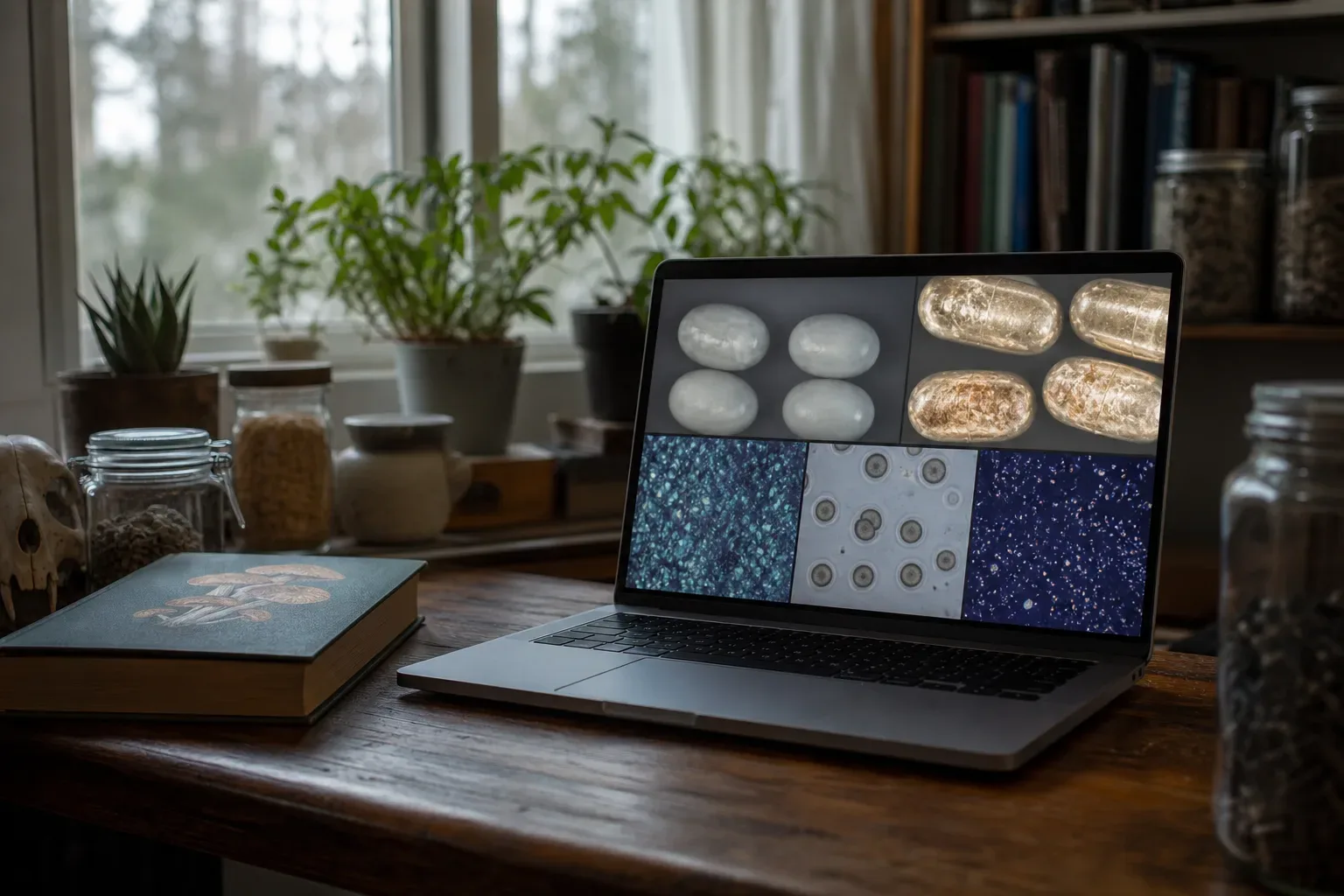
Three concrete factors separate reliable capsule products from inconsistent ones. First, look for visible third-party lab results tied to a specific batch number, not just a generic certificate of analysis posted once and never updated. Second, check that the capsule shell material is disclosed: vegetarian cellulose shells are more stable in humid conditions than gelatin, which matters for long-term storage. Third, pay attention to stated psilocybin content rather than just dried mushroom weight, since potency varies considerably between cubensis strains and harvest conditions.
Blended capsules add one more variable. Adaptogens like lion's mane are genuinely well-studied for nerve growth factor support, but only at doses typically above 500 mg per day. Many microdose blends include far less than that, which means the adaptogen is more of a marketing element than a pharmacologically meaningful addition at the quantities present.
Can Psilocybin Help with Depression?
Clinical research published in journals including Nature Medicine and the New England Journal of Medicine shows that full therapeutic doses of psilocybin, typically 25 mg administered in a supervised setting, produce significant reductions in treatment-resistant depression symptoms. Microdose research is at an earlier stage. Observational studies suggest that people who microdose regularly report improved mood and reduced anxiety, but randomized controlled trials have not yet confirmed that sub-perceptual doses produce the same neurological changes seen in full-dose therapy. James Fadiman's survey data, now covering several thousand self-reporting participants, found that microdosers most commonly cite mood improvement as the primary perceived benefit, with the effect noticed within the first two to three weeks of a structured protocol.
Depression has multiple subtypes, and psilocybin appears to work differently depending on baseline serotonin activity and trauma history. No Canadian brand can responsibly market capsules as a depression treatment given the current legal status, but consumers researching options deserve accurate context about what the evidence actually shows.
Dosing Protocols and Scheduling
The two most common protocols used in Canadian microdosing communities are the Fadiman protocol and the Stamets stack. The Fadiman approach schedules one dose day, followed by two rest days, repeating over four to eight weeks. The Stamets stack suggests dosing five days on and two days off with the lion's mane and niacin combination. Both protocols build in rest days specifically to prevent tolerance buildup, since psilocybin receptors downregulate quickly with repeated exposure.
Starting at the lowest available capsule strength, typically 50–100 mg, makes practical sense regardless of which schedule you follow. Keeping a brief daily journal for the first four weeks produces useful data: sleep quality, energy level, sociability, and appetite are observable markers that can tell you whether the protocol is calibrated correctly for your biochemistry.
Shipping, Packaging, and Privacy
Most Canadian brands ship in plain padded envelopes with no brand name or product description on the exterior label. Standard shipping via Canada Post typically takes three to seven business days. Refrigeration is not required, but capsules store best below 25°C and away from direct light. Products purchased in amber glass bottles from brands like Luminous Fungi have a shelf life advantage over those shipped in clear plastic, particularly if you live in a region with warm summers.
Return policies vary significantly. Bright Future offers a satisfaction-based replacement policy on damaged shipments. Zoomies Canada handles returns case-by-case. Most brands do not accept returns on opened products for obvious reasons, so reading label information and dosage details before opening the package is good practice.
Frequently Asked Questions
What Psilocybin Microdose Capsule Brands Are Available in Canada?
Several brands have built strong reputations in the Canadian market, including Spore Wellness, Bright Future, Schedule35, Luminous Fungi, and Zoomies Canada. Each differs in formulation, dose range, and whether they blend psilocybin with adaptogens like lion's mane or ashwagandha. Prices typically range from $35–$70 CAD for a 25-capsule package depending on the brand and blend.
Can Psilocybin Help with Depression?
Full therapeutic doses of psilocybin (around 25 mg) have shown significant benefits for treatment-resistant depression in supervised clinical trials published in Nature Medicine and the New England Journal of Medicine. Microdose research is less conclusive, but large observational studies suggest mood improvement is the most commonly reported benefit among regular microdosers. Psilocybin is not a licensed treatment in Canada, so it should not replace professional mental health care.
How Do I Choose the Right Psilocybin Microdose Capsule Strength for a Beginner?
Starting at 50–100 mg of dried Psilocybe cubensis is the standard recommendation for beginners, as this range is typically sub-perceptual for most adults. Brands like Bright Future offer explicit starter-dose capsules at 50 mg, which allows you to assess personal sensitivity before increasing. Keeping a daily journal tracking mood, sleep, and focus during the first few weeks helps you determine whether the dose needs adjusting.
What Is the Difference Between a Pure Psilocybin Capsule and a Blended One?
Pure capsules contain only dried psychedelic mushroom material, giving you precise control over dose and making them easier to adjust. Blended capsules add ingredients like lion's mane, niacin, ashwagandha, or ginseng, targeting specific outcomes such as cognitive support or stress reduction. The adaptogen quantities in most blends are often below the doses used in clinical research, so the primary active ingredient remains the psilocybin.
How Should Psilocybin Microdose Capsules Be Stored to Preserve Potency?
Store capsules in a cool, dry location below 25°C and away from direct light. Amber glass bottles, used by some brands like Luminous Fungi, offer better protection from light degradation than clear plastic containers. Refrigeration is not required, but it can extend shelf life in warm climates, provided the container is airtight to prevent moisture absorption.