 champignonmagique-quebec.com
Quebec Drug Laws - What You Need to Know About Psychedelics
Psilocybin mushrooms, LSD, MDMA, and mescaline are all controlled substances under Canadian federal law, and Quebec residents are subject to those same rules. The province has no separate licensing regime for psychedelics, so federal law sets the floor, the ceiling, and everything in between. Understanding where the lines are drawn matters whether you're curious, concerned about a family member, or following the shifting policy debate.

How Canadian Federal Law Governs Psychedelics in Quebec
Canada's Controlled Drugs and Substances Act (CDSA) classifies most classic psychedelics as Schedule III substances. That category includes psilocybin, psilocin (the active compounds in magic mushrooms), LSD, mescaline, and DMT. MDMA sits in Schedule I alongside heroin and cocaine, which carries heavier penalties.
Schedule III possession for personal use can bring up to three years in prison on indictment, or 12 months on summary conviction. Trafficking, production, or importing Schedule III substances carries up to 10 years on indictment. These are federal maximums; prosecutors and judges have discretion, and first-time personal-use charges rarely result in maximum sentences.
What Counts as Possession
Simple possession means having a substance for your own use, with no intent to distribute. Courts look at quantity, packaging, and other contextual evidence. Carrying a few dried mushrooms is treated very differently from holding 500 grams in individually wrapped bags.
Shared consumption can still be treated as trafficking under the CDSA. Giving a friend psilocybin mushrooms without money changing hands technically meets the legal definition of distribution, even if the intent is social rather than commercial.

Is Using Psychedelics Illegal?
Yes, using psychedelics is illegal in Quebec and across Canada under the CDSA. There is no provincial carve-out or decriminalization bylaw in Quebec comparable to what some municipalities in British Columbia have explored. Possession, consumption, and distribution of psilocybin, LSD, MDMA, and related compounds remain criminal offences.
Enforcement intensity varies. Police in Montreal and other urban centers tend to prioritize larger-scale trafficking over individual users, but that is a matter of practice, not legal protection. A person found in possession can still be charged, prosecuted, and convicted under current law.
Are Psychedelics Becoming Legalized?
Full legalization is not imminent in Canada, but the regulatory picture is shifting faster than it was three years ago. Health Canada has granted Section 56 exemptions under the CDSA to a growing number of patients and therapists, allowing supervised psilocybin-assisted therapy outside the normal approval process. These exemptions are individual, case-by-case, and do not create a general legal space for recreational use.
Oregon's regulated psilocybin service centers (operational since 2023) and the Australian government's approval of MDMA and psilocybin for therapeutic use in 2023 have added international pressure on Canadian regulators to accelerate clinical frameworks. Several Canadian clinical trials are studying psilocybin for treatment-resistant depression and end-of-life distress, with sites in Ontario and British Columbia. Quebec has no approved trial sites as of late 2026, though patient referrals to out-of-province programs are possible.
The Section 56 Exemption Process
Patients with serious conditions such as terminal cancer or treatment-resistant major depression can apply directly to Health Canada for a personal Section 56 exemption. The process requires a physician's support letter, clinical rationale, and documentation of failed conventional treatments. Processing times have ranged from a few weeks to several months, depending on application volume.
Therapists and practitioners who want to facilitate psilocybin sessions also need their own institutional exemptions. A handful of clinics in Montreal have begun building the administrative infrastructure to apply, though none had received approval as of November 2026.
Magic Mushrooms in Quebec - Spores, Grow Kits, and Chocolate Products
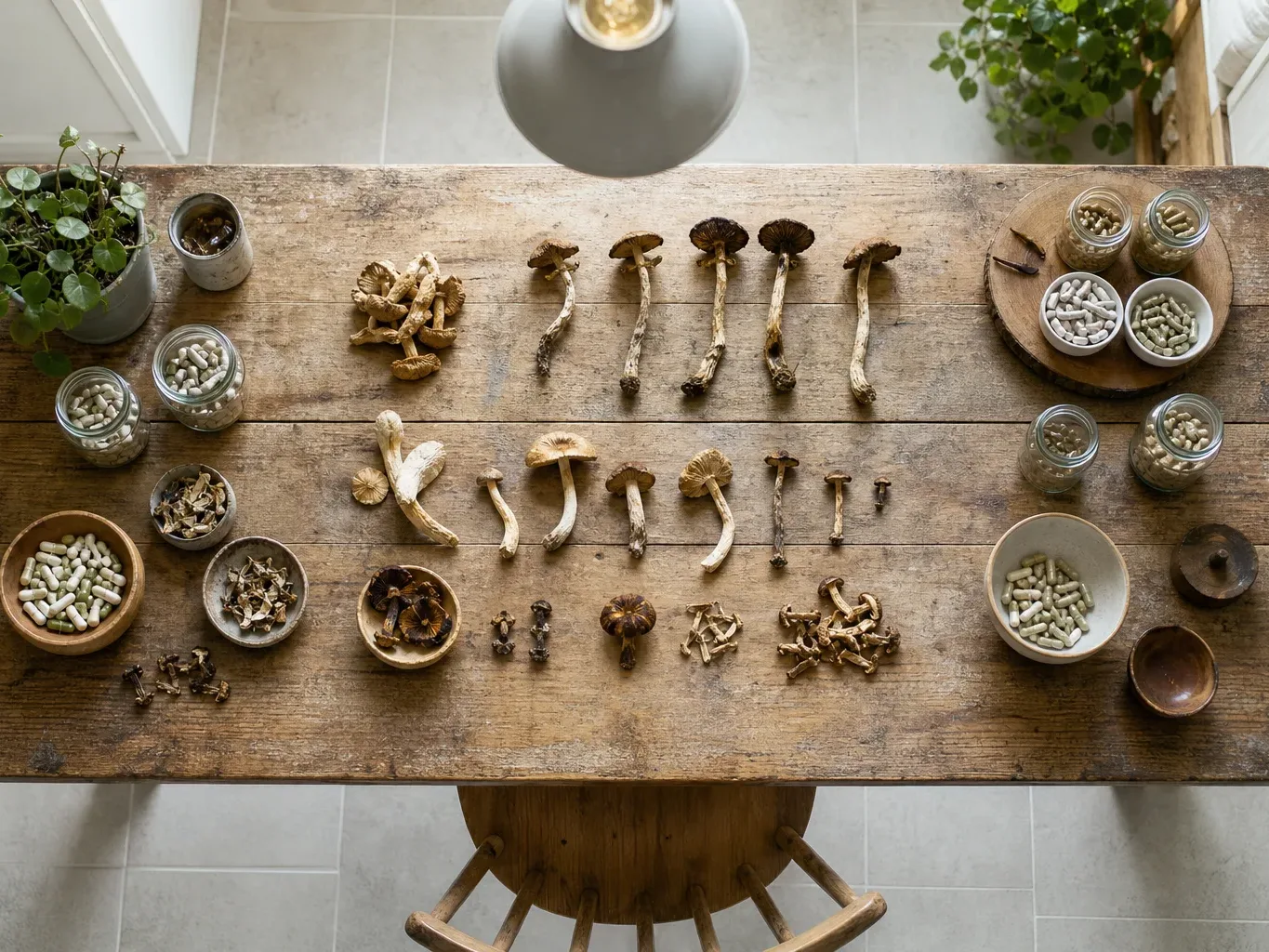
Psilocybin mushroom spores do not contain psilocybin or psilocin in detectable quantities. That creates a legal gray area: spores themselves are not explicitly listed as controlled substances, but cultivating them into fruiting bodies immediately produces a Schedule III substance. Online vendors in Canada sell spore syringes labeled for "microscopy only," and purchasing them is not straightforwardly illegal, but germinating them is.
Grow kits that include colonized substrate already contain psilocybin and are unambiguously illegal to possess. Psilocybin-infused chocolates, gummies, and capsules sold through unlicensed dispensaries in cities like Montreal are equally illegal, regardless of how openly they're marketed. The fact that a shop operates in public does not mean it has legal authority to sell these products.
Microdosing and the Law
Microdosing, which typically involves taking 0.05–0.3 grams of dried psilocybin mushrooms every few days, is treated the same as any other form of possession under the CDSA. There is no minimum-quantity threshold below which possession becomes legal. The growing cultural acceptance of microdosing does not reflect its legal status.
Some Quebec residents obtain microdose capsules from underground suppliers or online gray-market sources. This carries legal risk on both the supply and the possession side, even when quantities are small.
Harm Reduction Resources in Quebec
Quebec has a well-established harm reduction infrastructure rooted in its public health approach to substance use. Organizations like CACTUS Montreal and Spectre de rue offer non-judgmental support, drug checking, and referrals without requiring abstinence. CACTUS operates a drug checking service that can identify fentanyl or other contaminants in substances, which matters because counterfeit products sold as MDMA or psilocybin often contain dangerous adulterants.
DAN (Drug Checking) services test samples using reagent kits or spectrometry and return results without involving police. If you or someone you know is using psychedelics, knowing what's actually in the substance reduces the risk of serious adverse reactions. These services exist within the law because they are designed to prevent overdose deaths, and accessing them does not require disclosing personal information.
What to Do If Someone Has a Difficult Experience
A difficult psychedelic experience, sometimes called a "bad trip," rarely requires emergency services, but medical help should not be delayed if someone is experiencing chest pain, seizures, extreme hyperthermia, or signs of psychosis that persist beyond the acute phase. Calling 911 in Quebec does not automatically trigger a drug arrest. Quebec's Good Samaritan Drug Overdose Act protection applies to opioid overdose situations specifically and does not extend to psychedelic emergencies, so callers should be aware of that legal distinction.
Talk-down support, a calm environment, and reassurance resolve most difficult trips within a few hours. If you need guidance in the moment, organizations like Zendo Project (US-based but accessible remotely) and some Montreal harm reduction workers can offer real-time support.
Penalties at a Glance
The table below summarizes the statutory maximum penalties under the CDSA for the substances most relevant to Quebec residents interested in psychedelics.
| Substance | Schedule | Simple Possession (Max) | Trafficking/Production (Max) |
|---|---|---|---|
| Psilocybin / Psilocin | III | 3 years (indictment) | 10 years |
| LSD | III | 3 years (indictment) | 10 years |
| Mescaline / DMT | III | 3 years (indictment) | 10 years |
| MDMA | I | 7 years (indictment) | Life |
Actual sentences depend on criminal history, quantity, intent, and prosecutorial discretion. First-time personal-use possession charges have historically resulted in discharges or fines rather than incarceration, but a criminal record for drug offences can affect employment, travel, and professional licensing, making the stakes higher than the sentence alone suggests.
Frequently Asked Questions
Is Using Psychedelics Illegal?
Yes. Using psychedelics is illegal in Quebec and across Canada under the federal Controlled Drugs and Substances Act. Psilocybin, LSD, MDMA, and mescaline are all controlled substances, and Quebec has no provincial decriminalization policy that overrides federal law.
Are Psychedelics Becoming Legalized?
Full legalization is not on the near-term horizon, but Health Canada has begun issuing individual Section 56 exemptions allowing psilocybin-assisted therapy for patients with serious conditions. This is not broad legalization; each exemption is case-by-case and requires a physician's support.
Can I Legally Buy Psilocybin Mushroom Spores in Quebec?
Spores themselves don't contain the controlled compounds psilocybin or psilocin, putting them in a legal gray area. However, cultivating spores into mushrooms immediately produces a Schedule III controlled substance, which is illegal. Grow kits with colonized substrate are unambiguously illegal to possess.
Does Quebec Have Harm Reduction Services for Psychedelic Users?
Yes. Organizations like CACTUS Montreal offer drug checking services that can identify dangerous adulterants in substances without police involvement. Accessing these services is legal and does not require providing personal information.
What Penalties Apply to MDMA Possession Compared to Psilocybin in Quebec?
MDMA is classified as a Schedule I substance under the CDSA, carrying up to 7 years on indictment for simple possession and a potential life sentence for trafficking. Psilocybin is Schedule III, with a maximum of 3 years for possession and 10 years for trafficking. Actual sentences often fall well below these maximums for first-time personal-use offences.