 champignonmagique-quebec.com
Wild Mushroom Foraging Ethics and Sustainability in Quebec
Quebec's forests produce an extraordinary range of wild mushrooms, from golden chanterelles carpeting the boreal understory to porcini hiding beneath mixed hardwoods in the Laurentians. That abundance is real, but it is not unlimited. Foragers who treat the forest as a personal pantry without regard for how fungi reproduce and interact with tree roots can degrade a patch within a few seasons.
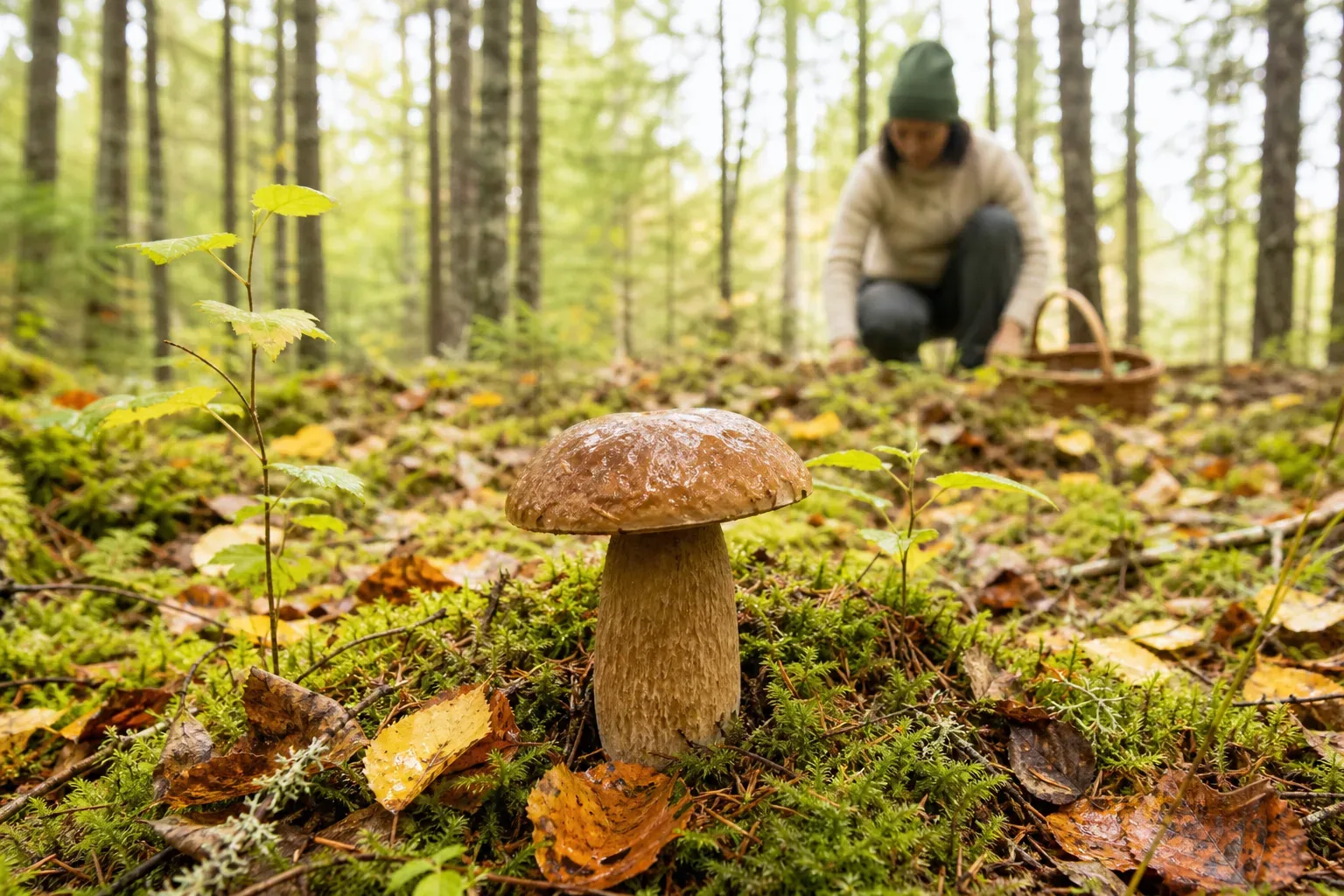
Fungi are not simply food items sitting on the forest floor. The fruiting bodies you see are the reproductive structures of organisms whose main biomass lives underground as mycelium, sometimes covering several hectares. Disturbing that network, compacting surrounding soil, or stripping every visible specimen reduces the ecosystem's ability to cycle nutrients and support tree health.
What Are the Ethics of Wild Mushroom Foraging in Quebec?
Ethical foraging in Quebec centers on taking only what you will use, leaving the site in the condition you found it, and sharing access equitably with other foragers and wildlife. Quebec's public lands operate under the principle that natural resources belong to all residents. Harvesting for personal consumption is generally permitted, but commercial collection requires provincial permits and is tightly regulated.
Respecting other foragers is part of the ethical picture. Stripping a known productive spot before others can access it, or refusing to share basic identification knowledge with newcomers, undermines the community that keeps foraging culture alive. Many experienced Quebec foragers follow an informal code: take roughly a third of what you see, leave the rest to spore and feed forest animals.
Private land requires explicit permission from the landowner. Many Quebec woodlots are privately owned, and trespassing, even for foraging, is a legal offense under provincial law.

How Do I Minimize Environmental Impact When Foraging Wild Mushrooms in Quebec?
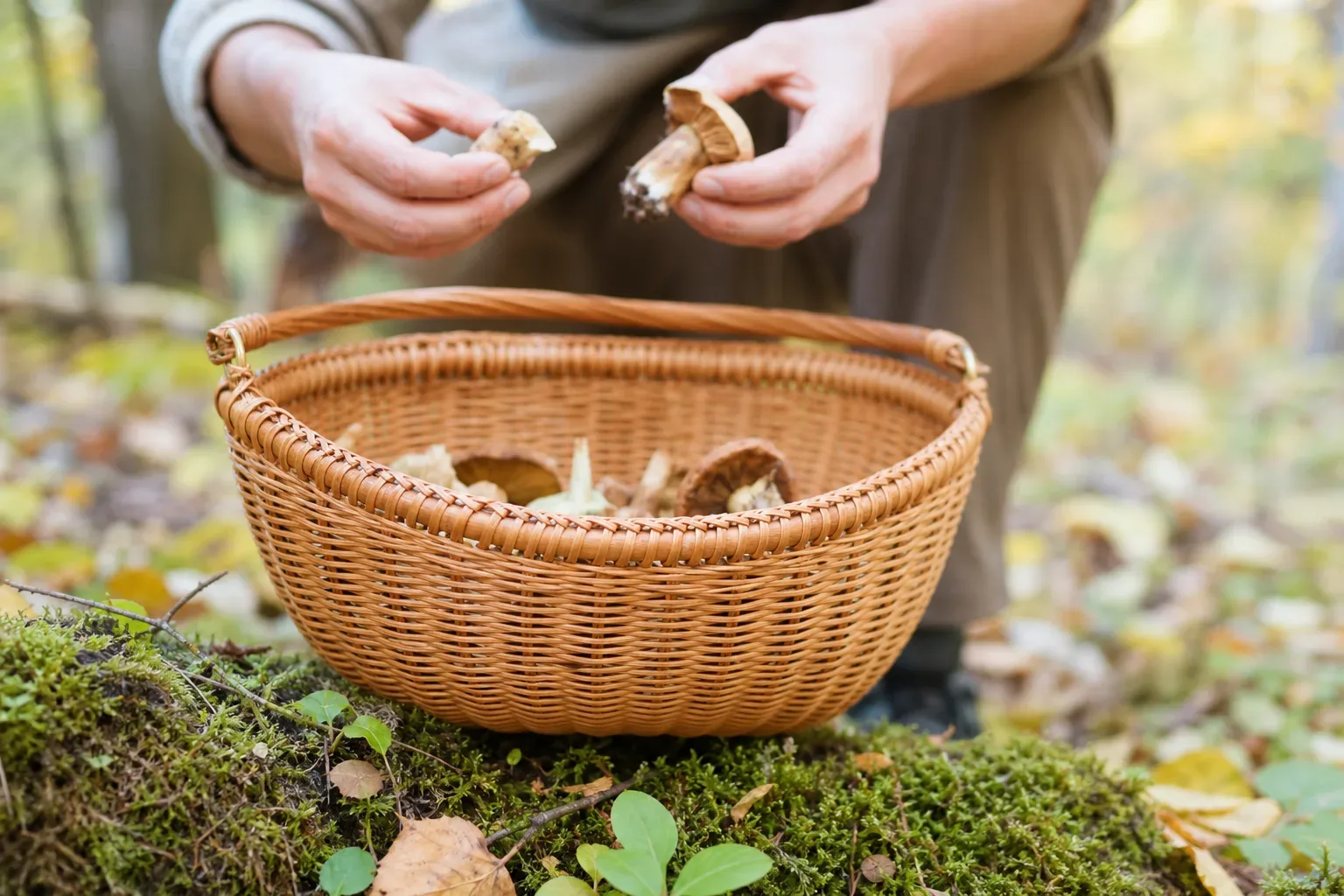
The single highest-impact change most foragers can make is switching from plastic bags to open mesh or wicker baskets, which allow spores to drop as you walk. Spore dispersal during transport is a small but meaningful contribution to reproduction across a larger area than any single fruiting patch.
Stay on established trails where possible. Creating new footpaths through the understory compacts soil, damages feeder roots, and can take years to recover. When you must move off-trail, step on rocks or existing bare ground rather than pushing through mossy areas.
Harvest mushrooms by cutting cleanly at the base with a small knife rather than pulling or twisting. Pulling disturbs surrounding mycelium and brings soil to the surface where it can dry out. Some foragers prefer to cut and others to twist, but the consensus among mycologists leans toward clean cuts in soft, damp soil conditions common in Quebec.
Leave all immature specimens. A button-stage chanterelle has not yet released its spores. Picking it now means that individual fruiting body contributes nothing to the next generation.
How Can I Forage Mushrooms Sustainably in Quebec?
Sustainable foraging in Quebec means rotating your collection sites across seasons and years, never returning to the same patch so frequently that it cannot recover. Most productive fruiting spots, especially for species like matsutake or lobster mushroom, are tied to specific host trees that take decades to mature. Those sites warrant extra care.
Keep a simple field journal noting the date, location, species, and rough quantity harvested. Over two or three seasons, patterns emerge: how early a certain gully produces chanterelles, how drought years suppress morel flushes. That data makes you a more effective and less destructive forager.
Understanding Quebec's Mycelial Ecosystems
Quite a few commercially prized species in Quebec form mycorrhizal relationships with trees, meaning the fungus and tree exchange nutrients through direct root contact. Overharvesting fruiting bodies from a mycorrhizal species in a small area can stress the host tree, particularly in poor soil conditions common in the boreal shield north of the St. Lawrence.
Saprophytic species like oyster mushrooms decompose dead wood and return nutrients to the soil. Collecting oyster mushrooms from a fallen log is lower-risk than pulling chanterelles from a living forest patch, but even there, leaving some material for beetle larvae and other decomposers is good practice.
Quantity Limits and Provincial Guidelines
Quebec's Ministry of Forests, Wildlife and Parks has not published a universal daily harvest limit for recreational foragers, but many conservation groups suggest a personal cap of 1–2 kilograms per outing as a sensible rule of thumb for common edible species. For rarer or habitat-sensitive species, leave the find entirely or take a single specimen for identification purposes only.
National and provincial parks in Quebec, including Parc national du Mont-Tremblant and Parc national de la Gaspésie, prohibit any collection of natural materials including mushrooms. Know your location before you harvest.
What Are Best Practices for Responsible Mushroom Foraging in Quebec?
The best starting point for a new forager is a guided outing with the Société mycologique de Montréal or one of the regional clubs operating across the province. These groups run identification walks from late summer through early fall, the peak fruiting season for most Quebec species.
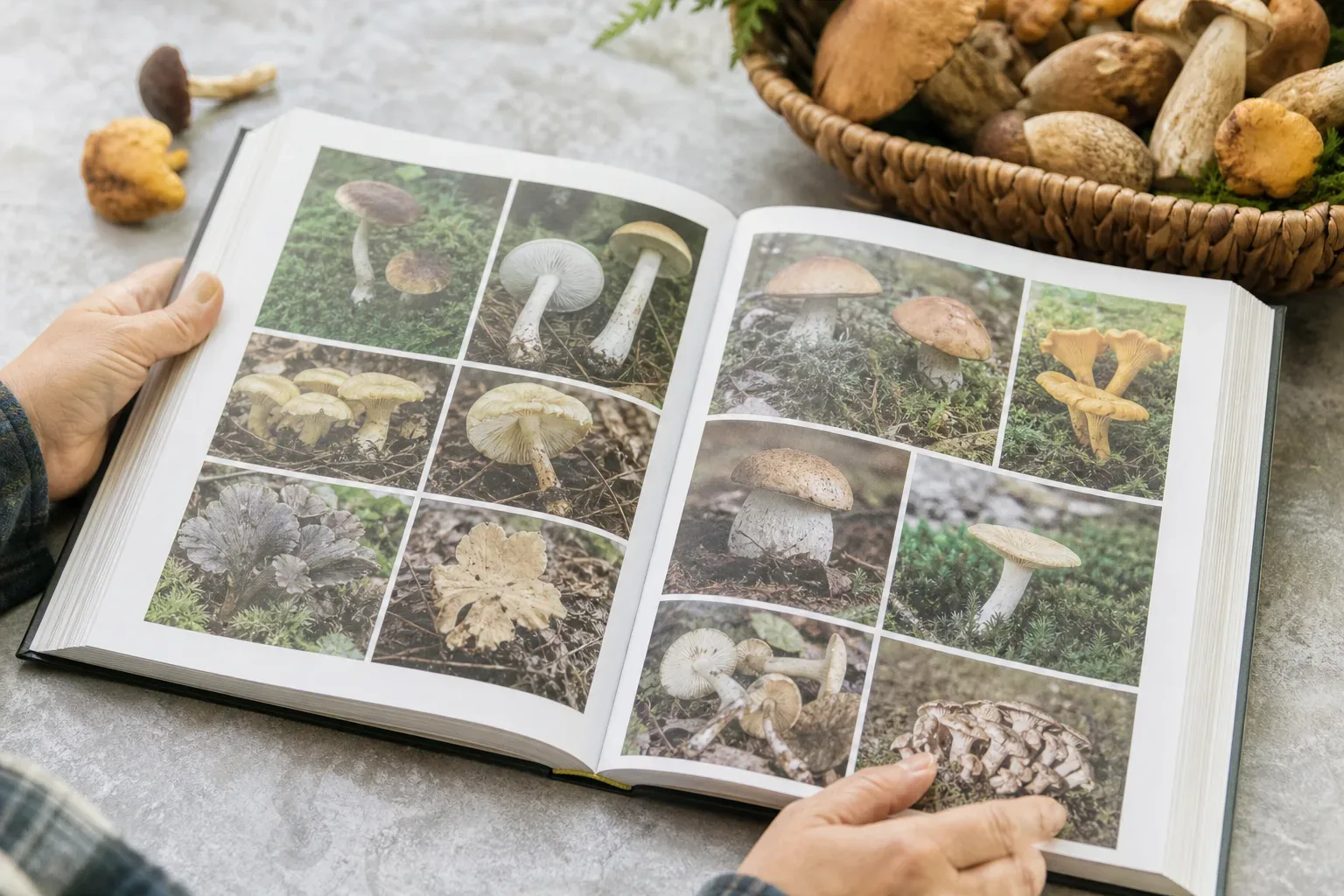
Never rely on a single identification feature. Deadly species like Amanita phalloides, now established in southern Quebec after spreading from European-origin trees, can resemble edible species to the untrained eye. Cross-reference at least three physical characteristics, including spore print color, gill attachment, and substrate, before eating anything.
Documentation and Community Contribution
Submitting your finds to iNaturalist with GPS coordinates and clear photographs contributes to provincial biodiversity databases. Quebec researchers at the Université de Montréal and McGill have used citizen science records to track range shifts in edible species linked to warming winters and altered precipitation patterns. Your observations, even from a single season, become part of a dataset that informs land management decisions.
Photograph before you pick. A picture of an undisturbed mushroom in situ captures details, such as the volva at the base and the precise color of the cap surface, that may disappear once you handle it.
Sharing Knowledge Responsibly
Posting precise GPS coordinates of productive foraging spots on public social media is widely discouraged in the Quebec foraging community. High-traffic sites can be damaged within a single weekend when many people converge on a small area. Sharing a general region, like the southern Laurentians or the Eastern Townships, lets others explore without concentrating pressure on a single patch.
Teaching newer foragers rigorous identification habits is the most durable contribution any experienced picker can make. Quebec's foraging culture depends on people who forage safely, respectfully, and with a long-term view of the forests they enter.
Frequently Asked Questions
What Are the Ethics of Wild Mushroom Foraging in Quebec?
Ethical foraging in Quebec means taking only what you will use, leaving no trace, obtaining permission on private land, and sharing access fairly with other foragers and wildlife. Many experienced Quebec foragers follow an informal one-third rule: harvest roughly a third of what you see and leave the rest to spore and feed forest animals. Commercial collection requires provincial permits.
How Do I Minimize Environmental Impact When Foraging Wild Mushrooms in Quebec?
Use an open mesh or wicker basket so spores drop as you walk. Stay on established trails to avoid compacting soil and damaging tree feeder roots. Cut mushrooms cleanly at the base with a knife rather than pulling them, and always leave immature, button-stage specimens that have not yet released spores.
How Can I Forage Mushrooms Sustainably in Quebec?
Rotate your collection sites across seasons and years so no single patch is visited too frequently. Keep a field journal recording date, location, species, and rough quantity harvested. Conservation groups suggest a personal cap of 1–2 kilograms per outing for common edible species. For rarer or habitat-sensitive species, leave the find entirely or take one specimen for identification only.
What Are Best Practices for Responsible Mushroom Foraging in Quebec?
Start with a guided walk from the Société mycologique de Montréal or a regional club. Always cross-reference at least three identification features before eating any mushroom. Submit finds to iNaturalist with photos and GPS coordinates to support provincial research. Avoid posting precise spot locations on public social media, as concentrated foot traffic can damage a small productive site within a single weekend.
Are Mushrooms Allowed to Be Collected in Quebec Provincial and National Parks?
No. Quebec's national and provincial parks, including Parc national du Mont-Tremblant and Parc national de la Gaspésie, prohibit the collection of all natural materials, including mushrooms. Always confirm the land designation of your foraging site before harvesting anything.